How to Stabilize a Pallet? Pattern, Containment, and Cube
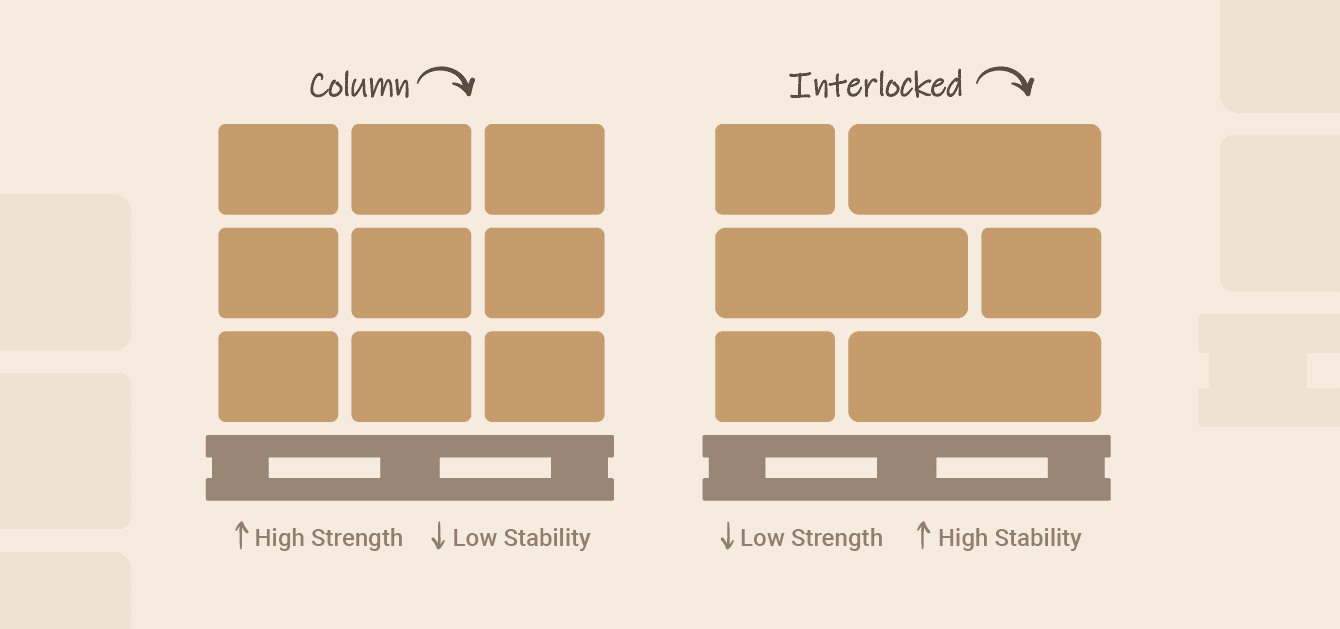
Illustration showing one pallet with cases stacked in a column pattern and one pallet with cases stacked in an interlocking pattern.

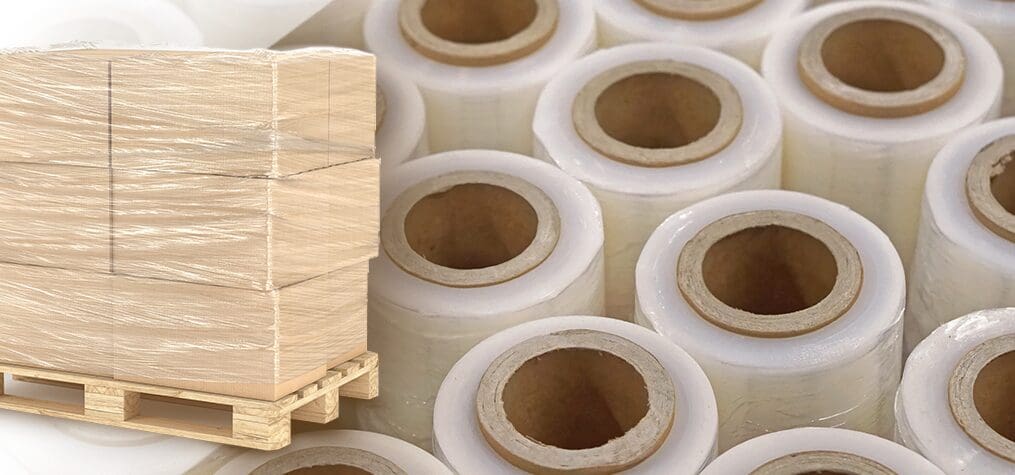
Introduction At a Glance How do you stabilize a pallet? Three factors contribute to pallet stability: stacking pattern, containment, and load profile or cube. Only one part of overall stability, stretch wrap often gets the blame when things go wrong. But the key is to find the balance between all three factors. Here’s what each … Read more
How Do I Know When to Automate My Packaging Line?

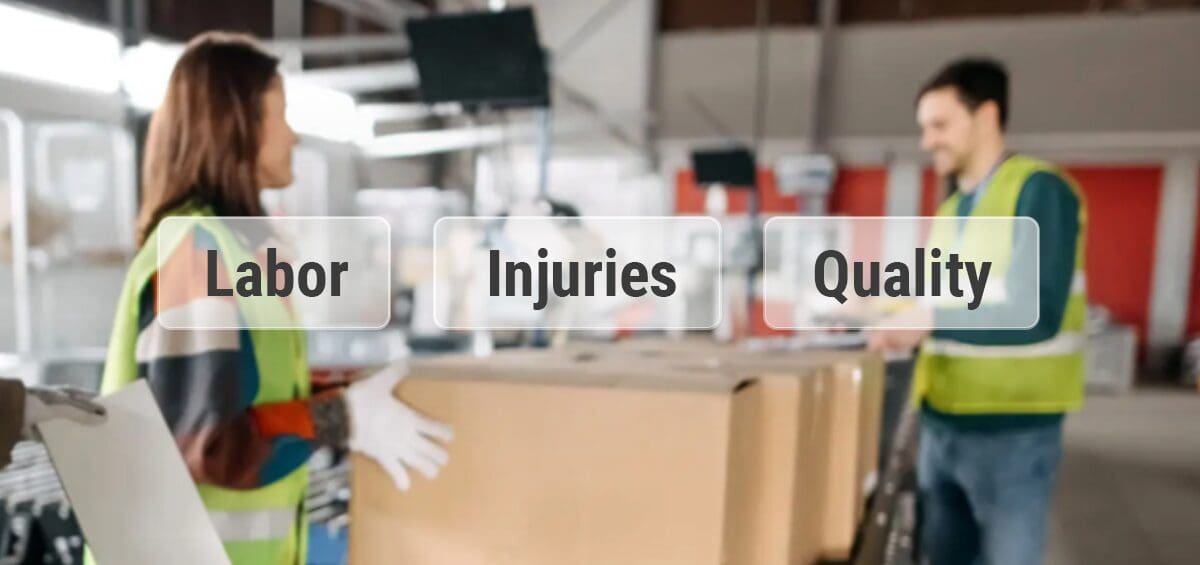
Workers hand-moving boxes with a text overlay of the three areas to evaluate: labor, injuries, and quality

Introduction At a Glance If your workers are stuck on one role, you’re watching repetitive-strain injuries rise, or your quality is taking a hit by hand-packing; you’ve found the signal to start automating. The choice of when to automate is more than a look at purchase price – it’s often based on volume. The Three … Read more

Automatic vs. Semi-Automatic Case Sealers: Which Should I Buy?

Closeup of worker's hands loading a corrugate case onto a machine

Introduction At a Glance A decisive question: “Does a dedicated person close cases for most of a shift?” If yes, a fully automatic sealer is probably the right choice to save labor costs. If no – e.g. the operator only touches the sealer occasionally, or the whole line is hand-pack, hand-load – semi-automatic is likely … Read more

Understand Case Erector Parameterization: How Five Minutes Can Replace a Service Visit

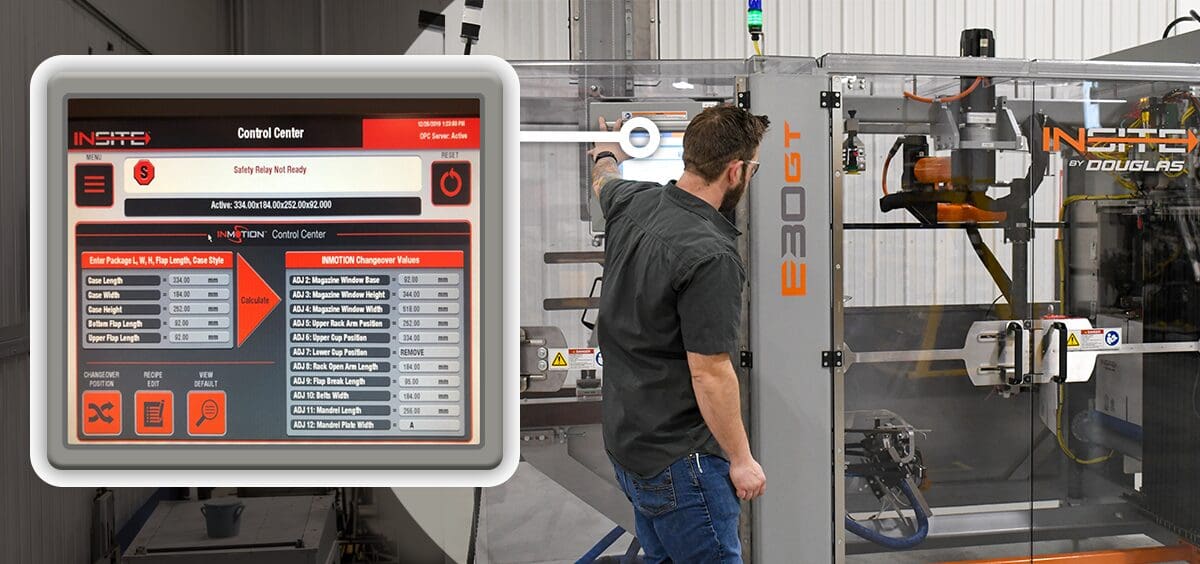
Worker at INSITE case erector HMI setting new case size with the parameterization feature

Adding a new case size to a case erector usually means a service call, but if your case erector features parameterization, it changes the game. Your in-house operator enters four values, and the machine accurately calculates the rest, all within five minutes.

What Type of Palletizer Do I Need?

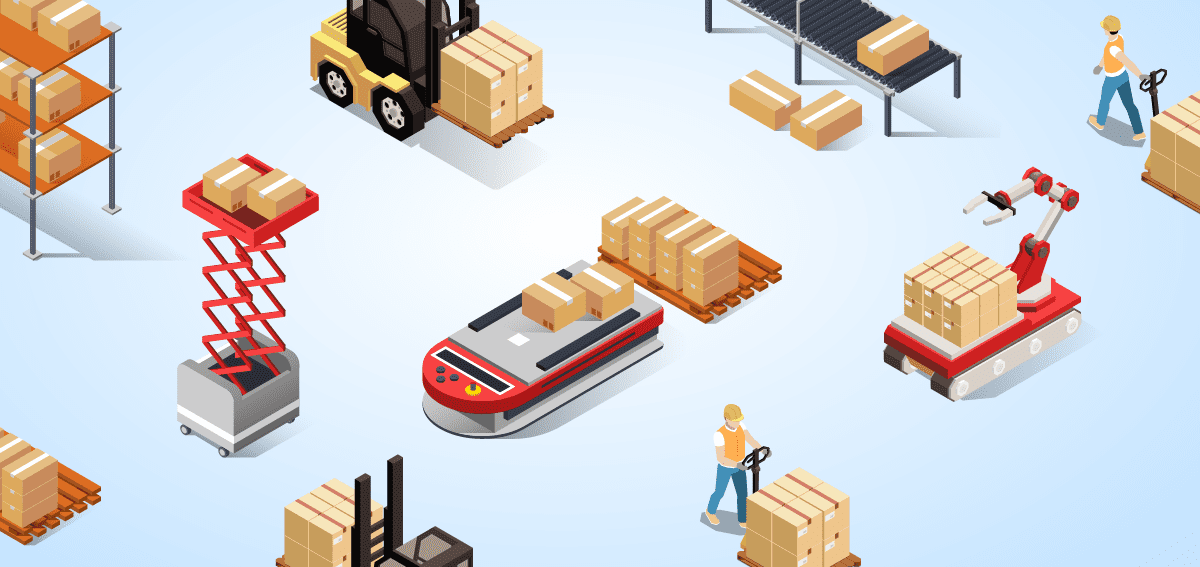
Isometric illustrations of cases being palletized by various methods

Conventional and robotic palletizers do the same job — stacking cases onto a pallet in a stable pattern — through fundamentally different mechanics. And “conventional” itself splits into two distinct architectures, high-level and low-level, that fit different operating profiles. The choice isn’t about which one is better in the abstract; it’s about which one matches your throughput, SKU mix, floorspace, and capital profile.