OEM vs. Third-Party Parts: Deciding Where to Source Packaging Replacements
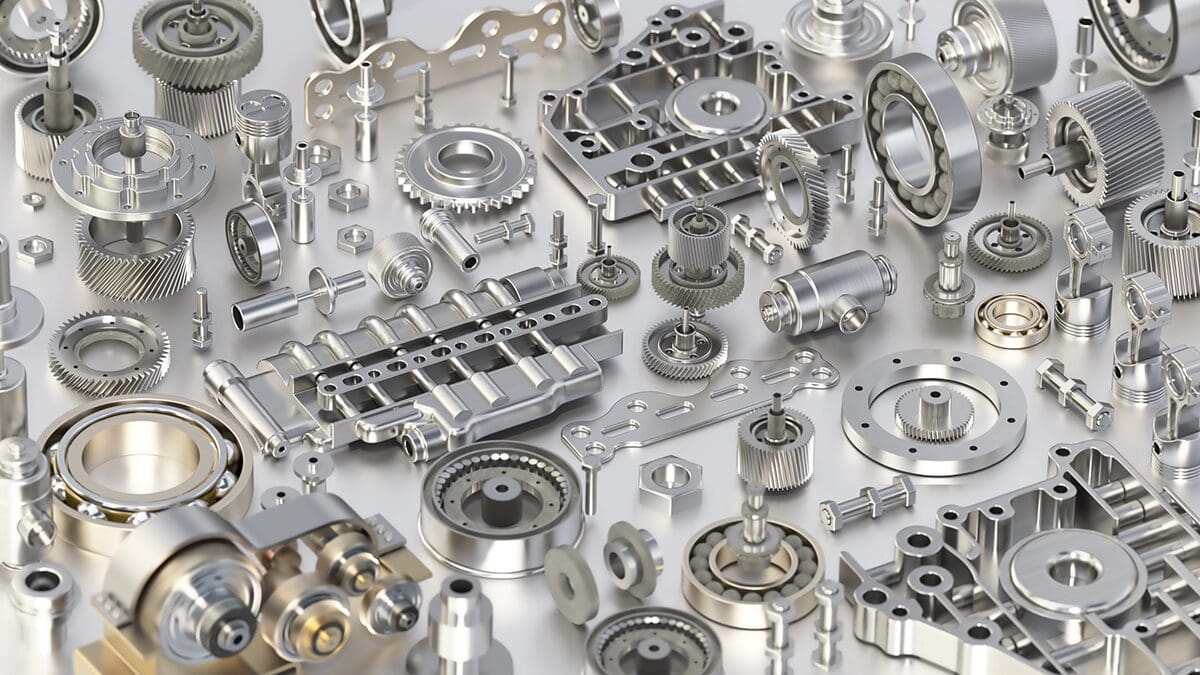
An assortment of machine parts laid out on a table.

Introduction At a Glance It’s tempting to make parts decisions based on cost alone, but in doing so, you risk machine uptime, warranty security, and long-term cost. There are times when you should pay extra for the original-manufacturer-made part, and there are times when the third-party part is safe – but you should know when … Read more

What Case Loading Methods Are There? And Which is Right for My Line?

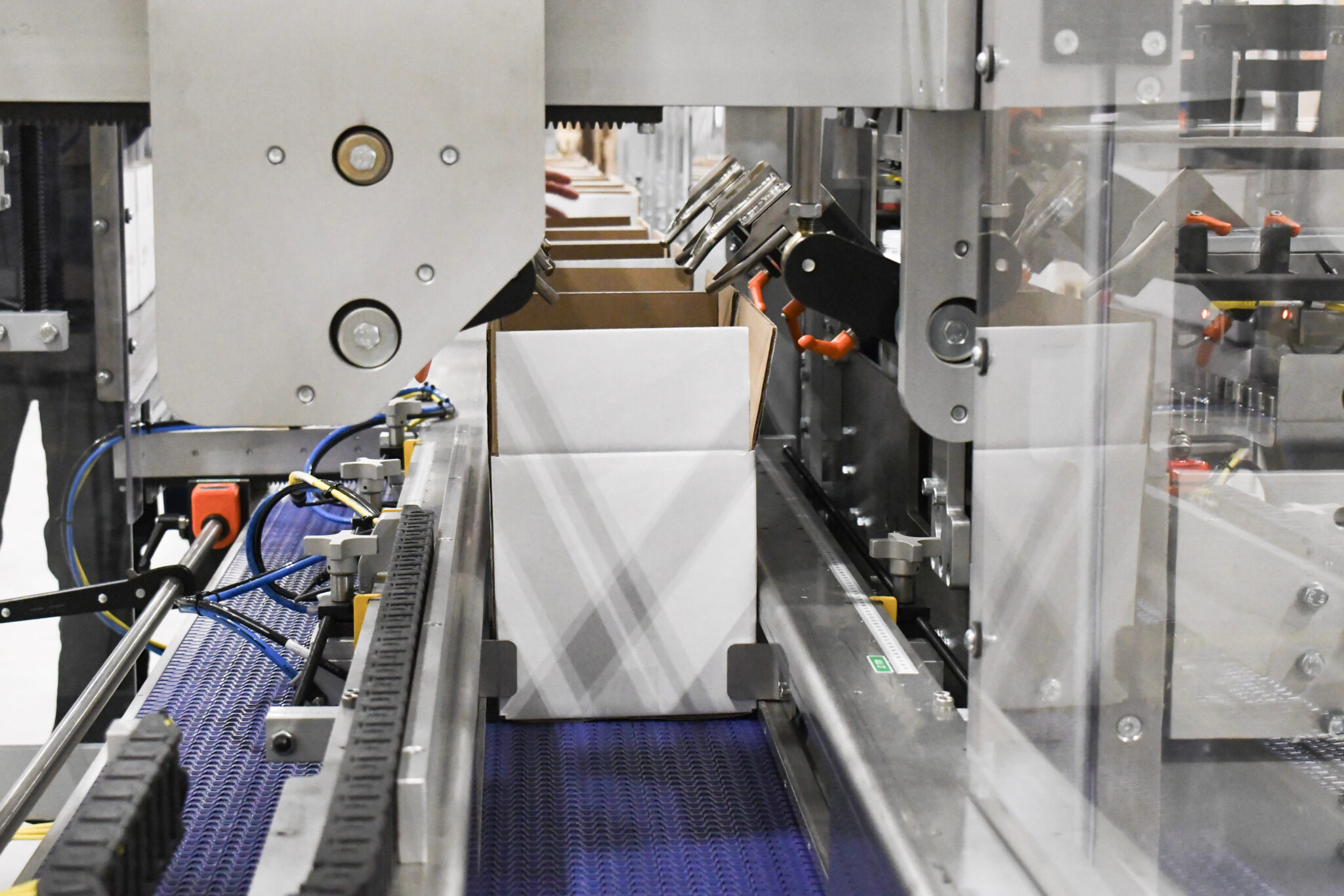
Cases coming out of machine on conveyor

Introduction At a Glance Case loaders are the machine in your secondary packaging line that actually handles and loads the product into a case. That’s why it’s so important that you choose the case loading methods that meet the needs of your product.  There are three main methods: Drop Packing – Drops product into the … Read more

Automatic vs. Semi-Automatic Case Sealers: Which Should I Buy?

Closeup of worker's hands loading a corrugate case onto a machine

Introduction At a Glance A decisive question: “Does a dedicated person close cases for most of a shift?” If yes, a fully automatic sealer is probably the right choice to save labor costs. If no – e.g. the operator only touches the sealer occasionally, or the whole line is hand-pack, hand-load – semi-automatic is likely … Read more

What Type of Palletizer Do I Need?

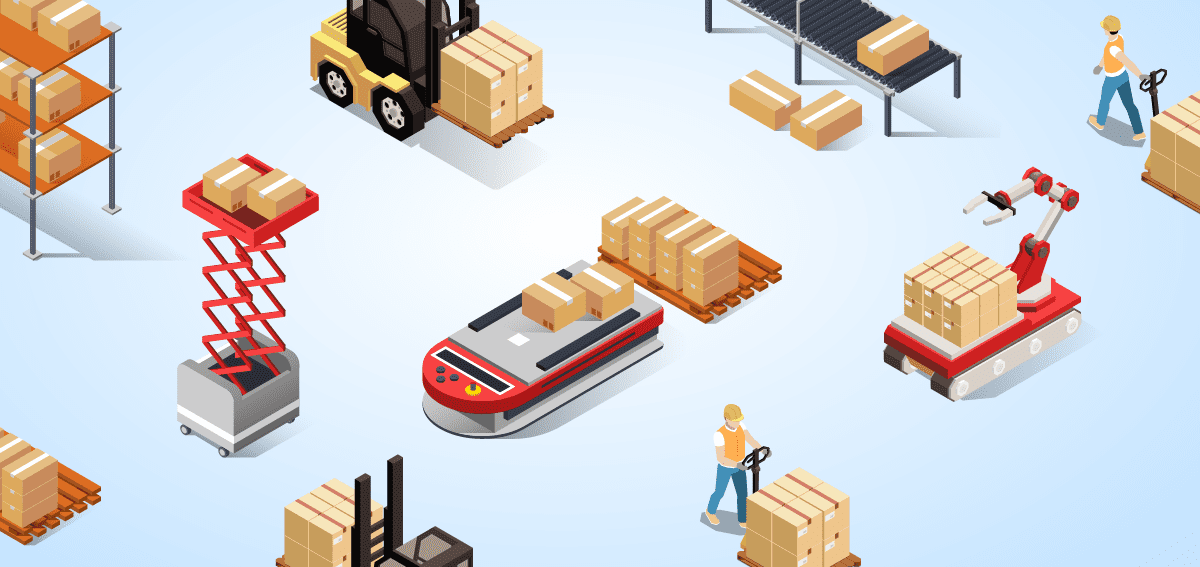
Isometric illustrations of cases being palletized by various methods

Conventional and robotic palletizers do the same job — stacking cases onto a pallet in a stable pattern — through fundamentally different mechanics. And “conventional” itself splits into two distinct architectures, high-level and low-level, that fit different operating profiles. The choice isn’t about which one is better in the abstract; it’s about which one matches your throughput, SKU mix, floorspace, and capital profile.