Introduction
At a Glance
Slip sheets replace pallets as the outermost load-handling surface, reducing weight and freight cost. Tier sheets sit between product layers to stabilize loads and protect products from shifting or deformation. They’re not alternatives — most real workflows use both at the base and between layers in a single load. The choice isn’t slip or tier; it’s slip, tier, both, or neither. Your decision depends on whether you’re trying to cut logistics cost, improve load stability, or handle both problems at once.
“Slip sheets” and “tier sheets” show up in equipment proposals using language that suggests they’re interchangeable when, in reality, they are not. Each has a different purpose. One replaces the pallet underneath the load; the other sits between product layers inside the load. They solve different problems, require different equipment, and many lines often utilize both solutions. Conflating them leads to choosing the wrong material for the actual constraint.
In this article, we’ll cover:
-
What slip sheets and tier sheets are and the different problems they solve
-
The structural difference that matters for your decision
-
When each solution makes economic sense
-
When neither solution applies (and traditional pallets stay the right choice)
-
How to evaluate proposals with these distinctions in mind
Slip Sheets Replace Pallets to Reduce Weight and Freight Cost
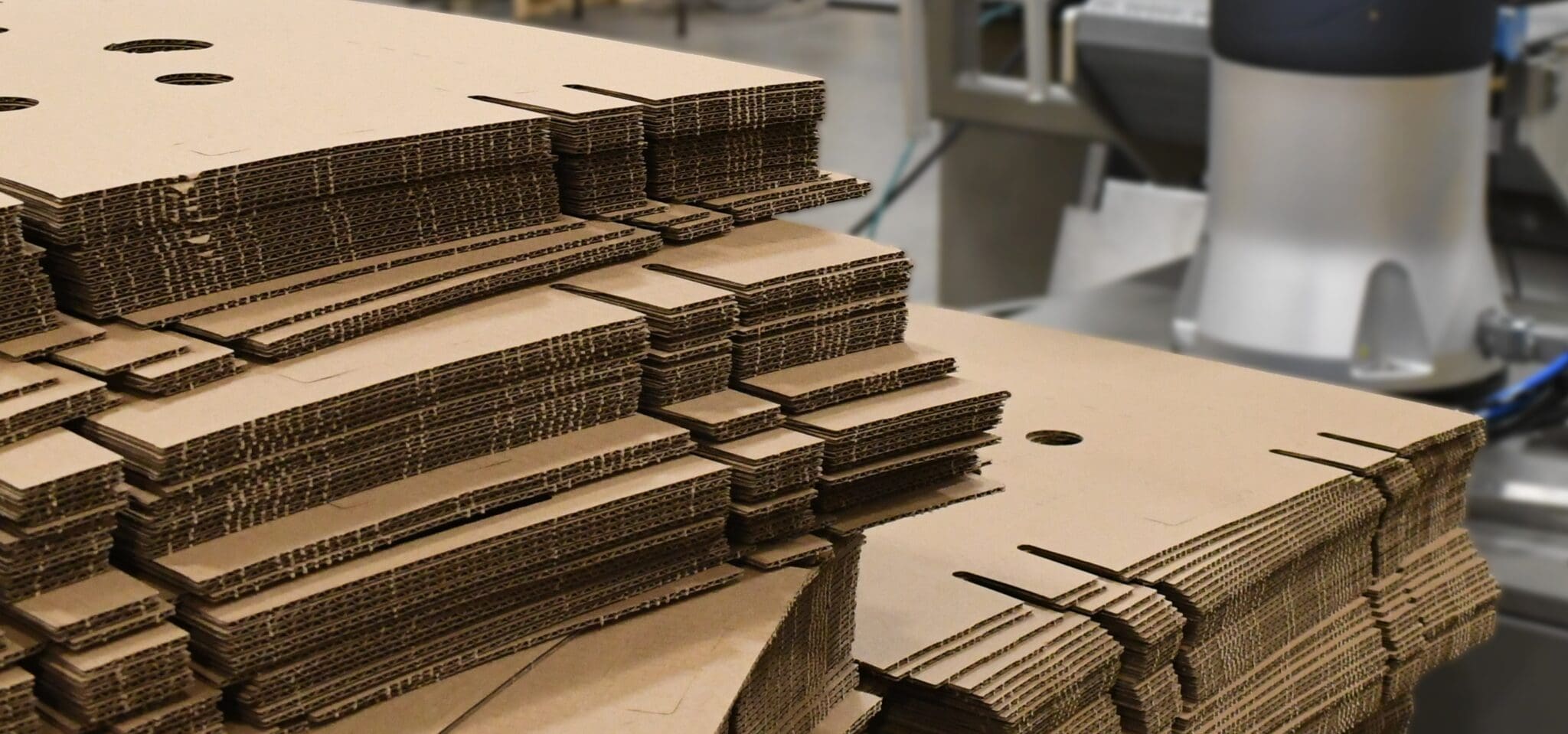
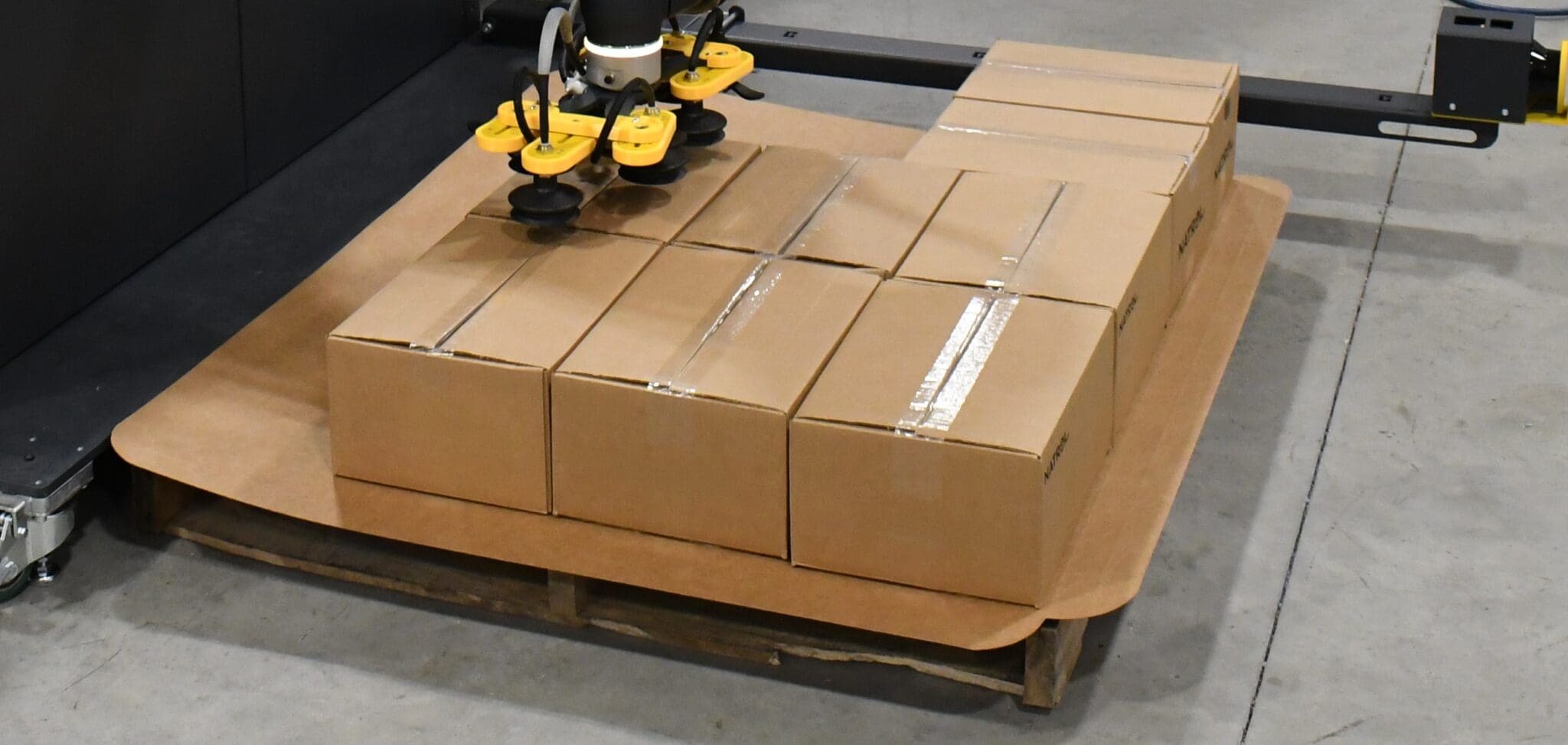
A slip sheet is a thin, rigid sheet of kraft paperboard, corrugated plastic, or HDPE, designed as a single-use or few-use pallet replacement. It handles load movement as the forklift grips and transports it. The defining feature is a slightly protruding edge that allows a push-pull forklift attachment to clasp and pull the entire load onto the forklift’s flat platform.
The core appeal: Reduce the weight and cost of load handling on one-way or export shipments.
A wooden pallet weighs 30–70 pounds and costs roughly ten times more than a slip sheet. A slip sheet weighs 1–3 pounds. That weight difference translates directly into freight savings and eliminates approximately 4 inches of stacking height, letting you fit more units in a container or truck.
Slip sheet materials vary by application. Kraft paperboard (laminated with water-resistant adhesive) is the most economical and fully recyclable, designed for one-way domestic or close-proximity shipments. Plastic slip sheets (molded HDPE or polypropylene) cost more but are reusable (20–30 cycles) and moisture-resistant, making them practical for tropical export routes or high-humidity storage. Knowing which material makes sense depends on shipment distance, climate, and whether return-logistics costs offset re-usability. Suppliers like Smurfit Westrock and ORBIS Corporation offer both options.
Slip sheets are common in food and beverage, electronics, cosmetics, agricultural products, and industrial goods where weight sensitivity (air freight) or export compliance matters.
The defining constraint: Every forklift in your facility must have a push-pull attachment, a capital investment that replaces standard curved forks and adds training and maintenance burden.
Tier Sheets Stabilize Loads and Protect Products Between Layers
A tier sheet (also called a layer pad, layer sheet, or divider sheet) is a thin, rigid sheet of plastic or laminated kraft fiber placed between product layers on a pallet or slip sheet. Unlike a slip sheet, a tier sheet is not a load-handling interface. It handles load stability and stays interior to the stack throughout shipping and handling.
The core appeal: Stabilize loads and protect products.
Tier sheets increase stacking strength so upper layers don’t deform lower products. They separate mixed-SKU layers to prevent cross-contamination, and they reduce load shifting during high-vibration transit (such as ocean freight or rough ground handling). That stability matters on high-speed lines where product placement is precise and any shift translates to quality loss or line stoppage.
Tier sheet materials are typically plastic (polypropylene or HDPE) or laminated kraft fiber. The choice between them mirrors the slip-sheet decision: kraft for single-use recyclability, plastic for reusability (50+ cycles) and durability. Many tier sheets have anti-slip coatings or ribbed surfaces that increase friction—a coefficient of friction of 0.55 or higher is the industry target when loads experience rough handling.
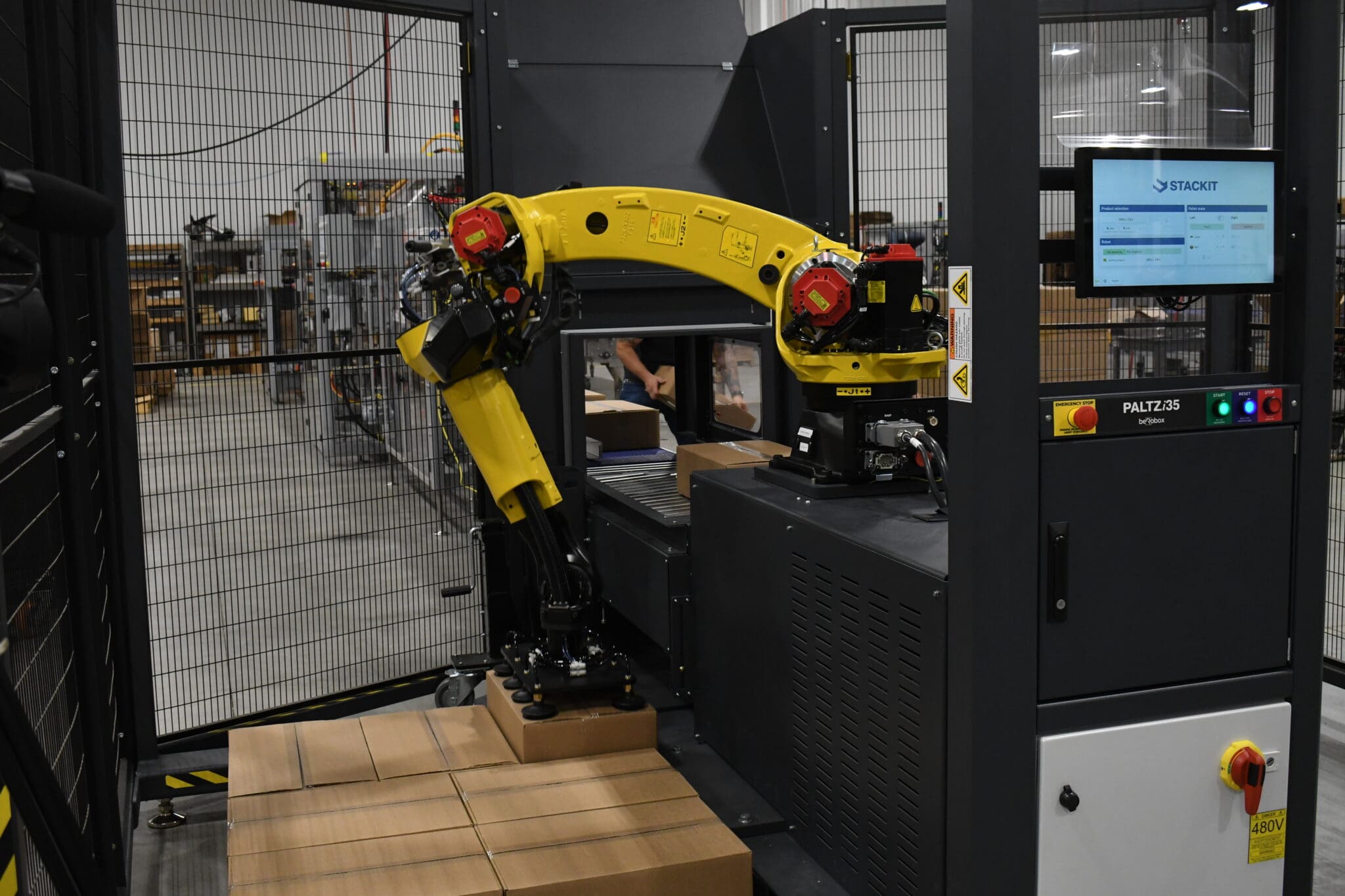
Modern palletizers integrate tier-sheet dispensing directly into the line. Automated systems (pneumatic or electric) feed pre-cut sheets from a magazine, and the palletizer arm places a sheet on top of each completed product layer. For high-volume production, this automation eliminates manual placement labor.
The defining constraint: Tier-sheet adoption requires either automation you integrate into the palletizer or manual placement labor which adds process dependency.
The Structural Difference: Load-Handling Interface vs. Interior Stabilization
Here’s where the two diverge in ways that matter for your decision.
A slip sheet is the outermost interface. It’s the surface the forklift equipment grips and moves. Slip sheets handle the logistics problem of getting the load off the dock and into the truck or container. If you adopt slip sheets, your forklift fleet needs push-pull attachments. That’s the capital gateway.
A tier sheet is an interior layer. It sits between product layers and never leaves the pallet in normal operation. Tier sheets handle the stability problem of keeping products from shifting or deforming during transit and handling. If you adopt tier sheets, your palletizer needs dispensing integration. That’s the process gateway.
These are not mutually exclusive. The real-world norm is using both options together. A slip sheet sits at the base (replacing the wooden pallet), while one or more tier sheets sit between product layers (stabilizing the stack). The palletizer dispenses both in a single run with the slip sheet first, then a tier sheet on top of each completed layer. As the slip sheet handles the logistics and the tier sheets handle the protection, it’s usually a single configuration decision rather than a choice between one or the other.
The cost and equipment implications differ sharply. Slip-sheet adoption is a fleet decision, requiring you to retrofit every forklift or replace your forklift fleet. Tier-sheet adoption is a line decision, requiring you to integrate or modify the palletizer you already have. Some operations make both investments while others make one. In some situations, neither option is implemented.
When Slip Sheets Make Economic Sense
Slip sheets solve a freight and pallet-cost problem. They make economic sense when one or more of the following conditions are true.
Weight and Freight Savings Matter
Air freight is the clearest case where every pound directly increases landed cost. With containerized ocean shipping, a slip sheet’s 1–3-pound weight eliminates about 4 inches of stacking height, letting you fit more units in a container. For domestic ground shipping where the pallet itself is the constraint, slip sheets may pencil out less clearly unless you’re already pushing container or truck weight limits.
The Load Won’t Return
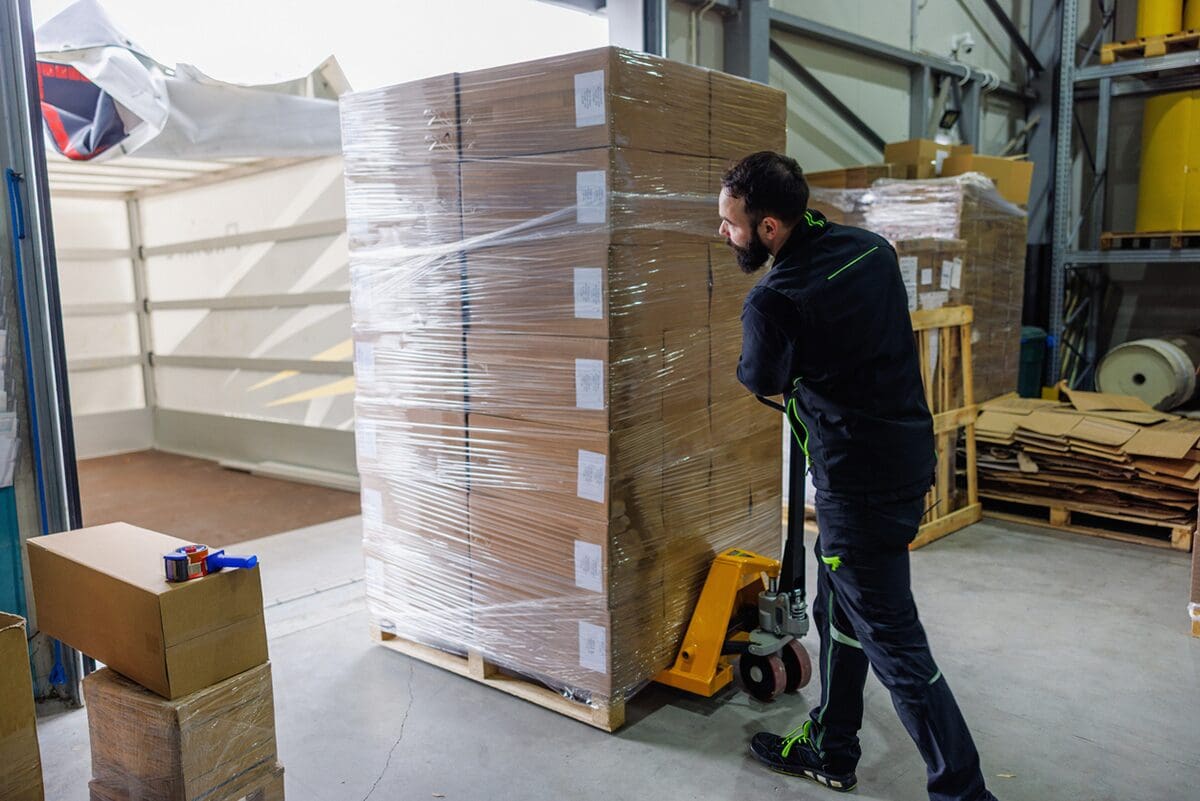
One-way or disposable shipping is where a slip sheet’s single-use design shines. The material cost of a new sheet is lower than the amortized cost of a returnable pallet. Returnable pallet systems (such as beverage distribution, pooled logistics, and asset-tracking networks) remain the domain of wooden pallets. The return logistics and pallet-tracking infrastructure justify the higher pallet cost and weight.
Wood-Treatment Compliance Is a Regulatory Obstacle
ISPM-15 (International Standards for Phytosanitary Measures No. 15) requires that wooden packaging materials, including pallets, be either heat-treated (56°C core temperature for at least 30 minutes) or fumigated with methyl bromide before international shipment. Paperboard and plastic slip sheets are exempt from ISPM-15 because they are non-wood materials. For food, pharmaceutical, and agricultural exporters, this exemption eliminates a compliance step and associated cost. It’s a genuine reason to adopt slip sheets in export-heavy workflows and one that doesn’t depend on reducing total pallet costs.
The Equipment Retrofit Must Fit the Math
If you adopt slip sheets, every forklift in your facility needs a push-pull attachment which is a capital expense. Modern push-pull attachments are reliable, but they add maintenance burden and operator training requirements. The retrofit cost, amortized over your planning horizon, must be offset by weight, pallet, and freight savings. Some operations find the math works. Others find that the retrofit cost doesn’t clear the hurdle.
When Tier Sheets Make Economic Sense
Tier sheets solve a load-stability and product-protection problem. They make economic sense when one or more of the following conditions are true.
Load Stability or Product Protection Is the Primary Concern
High-speed palletizing of light, fragile, or easily deformed products is the clearest case. A tier sheet prevents the bottom product from being crushed by upper-layer weight. Mixed-SKU loads where upper layers must not shift relative to lower layers during handling and transit will benefit from the friction improvement. Products prone to abrasion or edge damage from stacking (such as glass bottles, canned goods, and boxes with decorative finishes) will profit from the protection a tier sheet provides.
Anti-Slip Performance Matters in High-Vibration Transit
Loads that experience high-G conditions (e.g., rough ocean freight or ground handling in less-developed logistics networks) or products with difficult geometry (e.g., cylindrical bottles, tapered cans, or bagged goods) can slip within the stack unless friction is high. Textured or ribbed tier sheets with a friction coefficient of 0.55 or higher reduce that risk significantly. You’re trading material cost for product-protection value—a calculation that makes sense when the cost of product damage or customer returns exceeds the material investment.
Automation Integration Drives Labor Savings
Modern palletizers dispense tier sheets between layers automatically, eliminating manual sheet placement labor. For high-volume lines running 15+ pallets per hour, this automation is a labor-cost driver and reduces the opportunity for placement errors. For lower-volume lines, manual placement may be more economical than specifying automation.
Material Choice Depends on Line Economics
Plastic tier sheets are reusable (50+ cycles) while kraft tier sheets are single-use and disposed with the load. The choice depends on throughput and return-logistics economics. High-volume lines favor plastic and automation. Lower-volume or one-way shipment lines favor kraft and manual placement.
When Neither Slip nor Tier Sheets Are the Right Choice
There are some cases in which neither solution is right for an operation. Here’s an honest look at the guardrails.
Traditional wooden pallets remain the right choice for returnable-asset logistics. Beverage distribution networks, pooled pallet systems, and supply chains where pallet return value justifies re-usability and the asset cost… These operations need wooden pallets instead of slip sheets because the infrastructure is built around pallet tracking and return.
Slip sheets alone don’t solve non-stackable single-item shipments. Oversized equipment, custom parts, or loads that don’t stack require a pallet’s load-bearing surface, not the thin interface a slip sheet provides. A pallet’s strength and footprint serve a different purpose.
Tier sheets don’t apply to single-layer or flatbed shipments. If your load is a single layer of products or a flatbed arrangement with no upper-layer stacking, tier sheets will serve no purpose. The stabilization value tier sheets provide assumes there are layers above and below. If there’s nothing stacking on top, the interior protection isn’t relevant.
The Decision Framework
Slip sheets solve a cost and compliance problem for multi-layer, one-way, weight-sensitive shipments. Tier sheets solve a stability problem for high-speed, mixed-SKU, or fragile-product stacking. Neither applies universally.
Before You Approve a Proposal: Three Questions for Your Vendor
The slip-sheet and tier-sheet distinction comes down to the problem each solves. If you’re evaluating either for your line, use this checklist before you approve a proposal.
1
Which problem are you solving — cost and compliance, or load stability, or both?
Spell it out with your vendor. “We’re trying to reduce freight weight and avoid ISPM-15 compliance for export,” or “We’re trying to prevent product deformation on a high-speed line,” or “Both.” Your answer should map directly to their recommendation. If they recommend slip sheets and your problem is load stability, ask why. If they recommend tier sheets and your problem is cost, push back.
2
What’s the capital and labor investment on our side?
Slip sheets require a fleet retrofit (push-pull attachments on every forklift, training, ongoing maintenance). Tier sheets require palletizer integration (automation or manual labor). Neither is a material cost alone; they are capital and process decisions. Make sure the proposal quantifies what you own versus what they’re providing.
3
Are we using slip sheets, tier sheets, or both together in this configuration?
Most real loads use both. The proposal should be explicit: “Slip sheet as the base, tier sheets between layers, dispensed in a single run.” If the proposal is ambiguous on this, it’s likely incomplete.
What To Do Next
Define the load-handling problem before you choose the material. Is your constraint weight and cost? Is it load stability? Is it both? Is it neither? Your answer usually points directly to whether slip sheets, tier sheets, both, or neither fit your line.
If you’re unsure on the answers, that uncertainty is itself a signal that you need to tighten the scope before signing either proposal. Make sure the equipment proposal clearly states:
-
Which problem (cost, stability, compliance, or combination) the recommendation addresses
-
What capital or labor investment you own on your side
-
Whether you’re using slip sheets, tier sheets, or both together
-
What the next step looks like (e.g., line testing, vendor support during ramp-up, training)
Any requirement that isn’t clearly assigned to the vendor usually falls back on you. The vendor carries the recommendation risk. You carry the choice.
Considering Slip Sheets and Tier Sheets?
Give us a call. INSITE’s team of specialists are here to help you find the best-fit solutions.