Introduction
How do you know if automated case loading is right for your operation? To answer that question, we need to start with the basics. Here is a simple explanation of how case packers work, the three main loading methods, and the factors that determine which approach fits your operation best.
What Is a Case Packer?
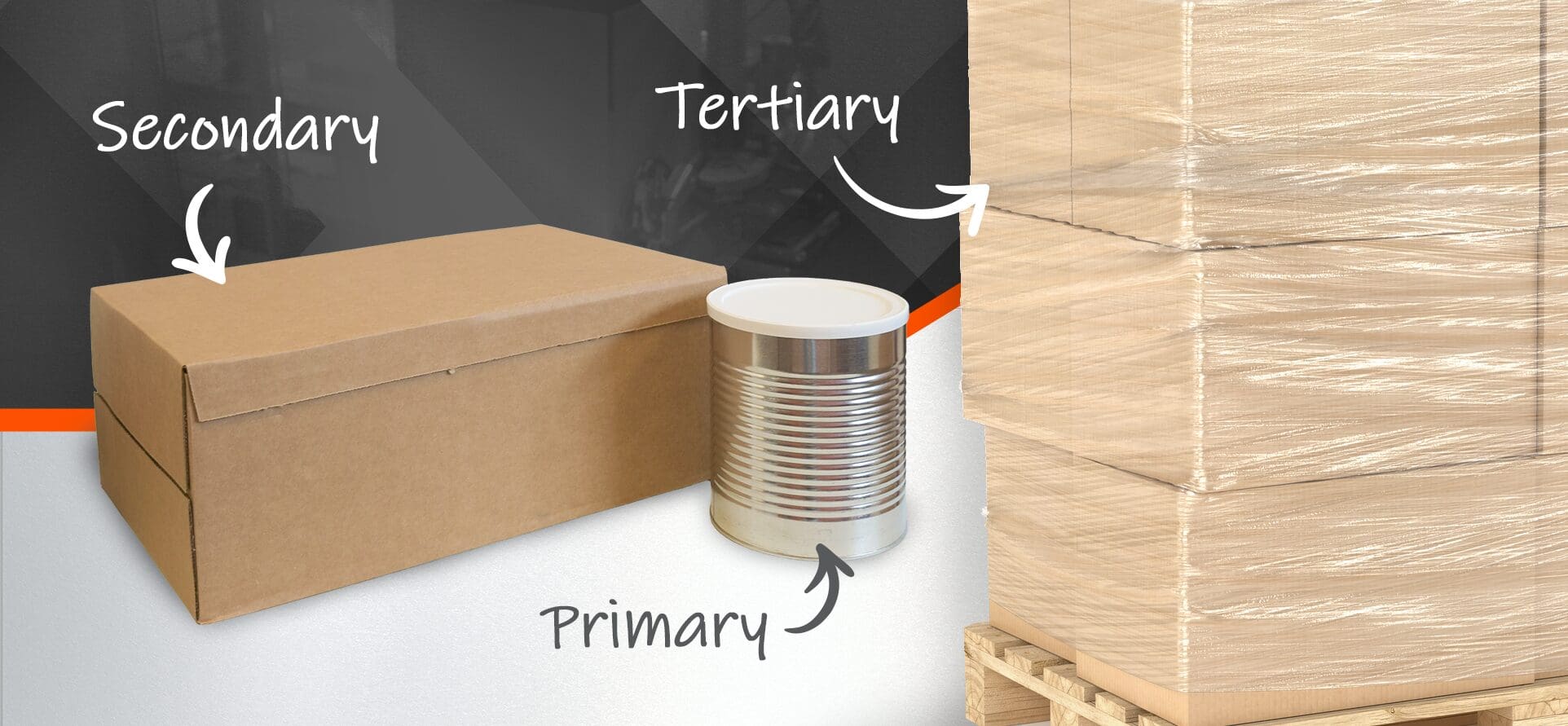
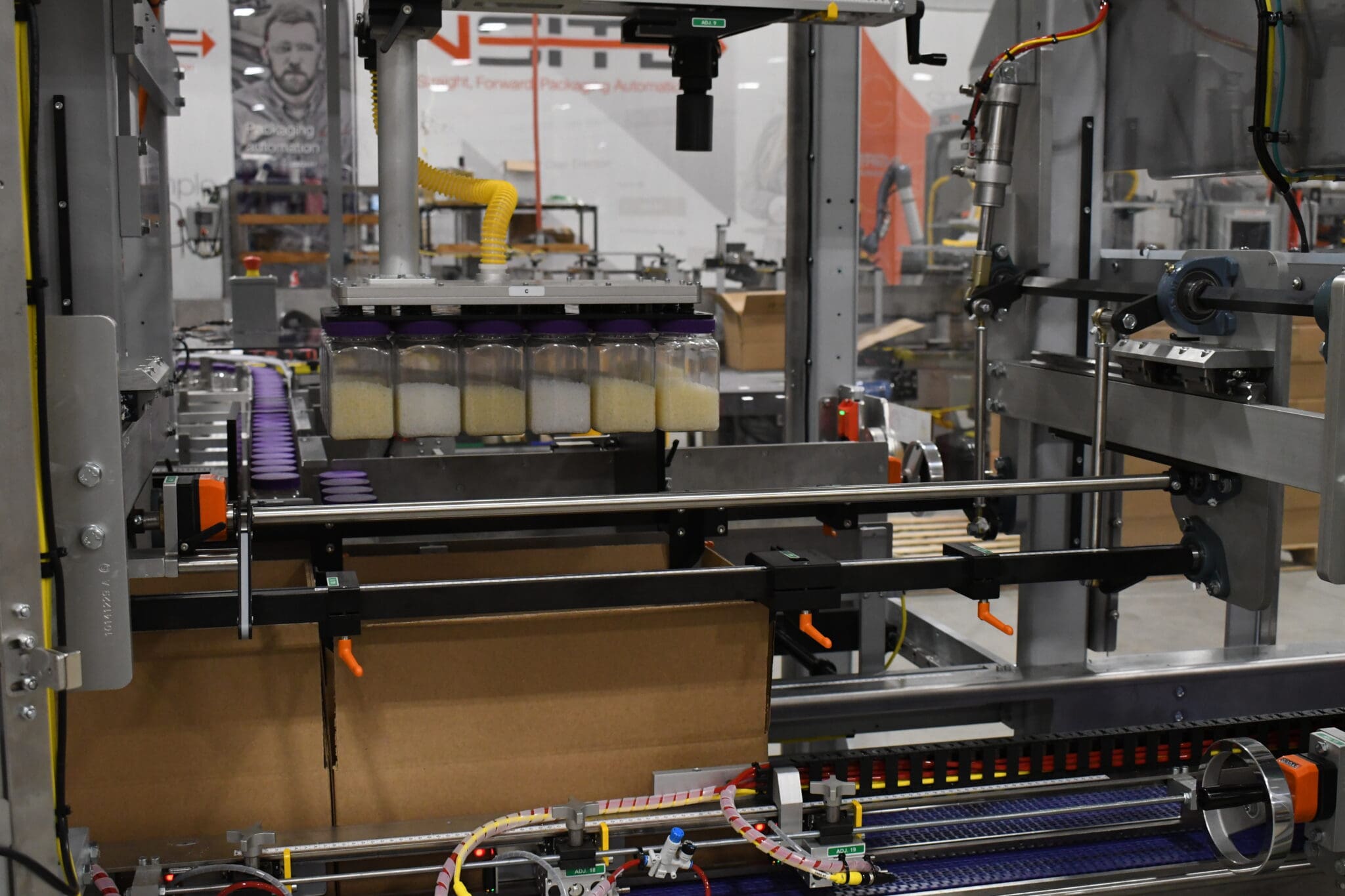
A case packer (also called a case loader) is a machine that takes finished primary products from your packaging line and places them into corrugated shipping cases in a defined count and arrangement, automatically.
Case packers sit in the secondary packaging phase of a production line, downstream of primary operations (filling, capping, labeling) and typically upstream of case sealing. Their job is to bridge the gap between individual product units and the shippable case.
The term is broad. It covers machines that combine case forming, loading, and sealing in a single integrated system as well as standalone loaders that receive pre-erected cases and handle only the loading step. Determining which configuration makes sense for a given operation depends on the line.
The Three Main Loading Methods
Case packers are categorized primarily by how product is loaded into the case. The method that fits a given operation depends on product type, case style, and throughput requirements.
Top Load
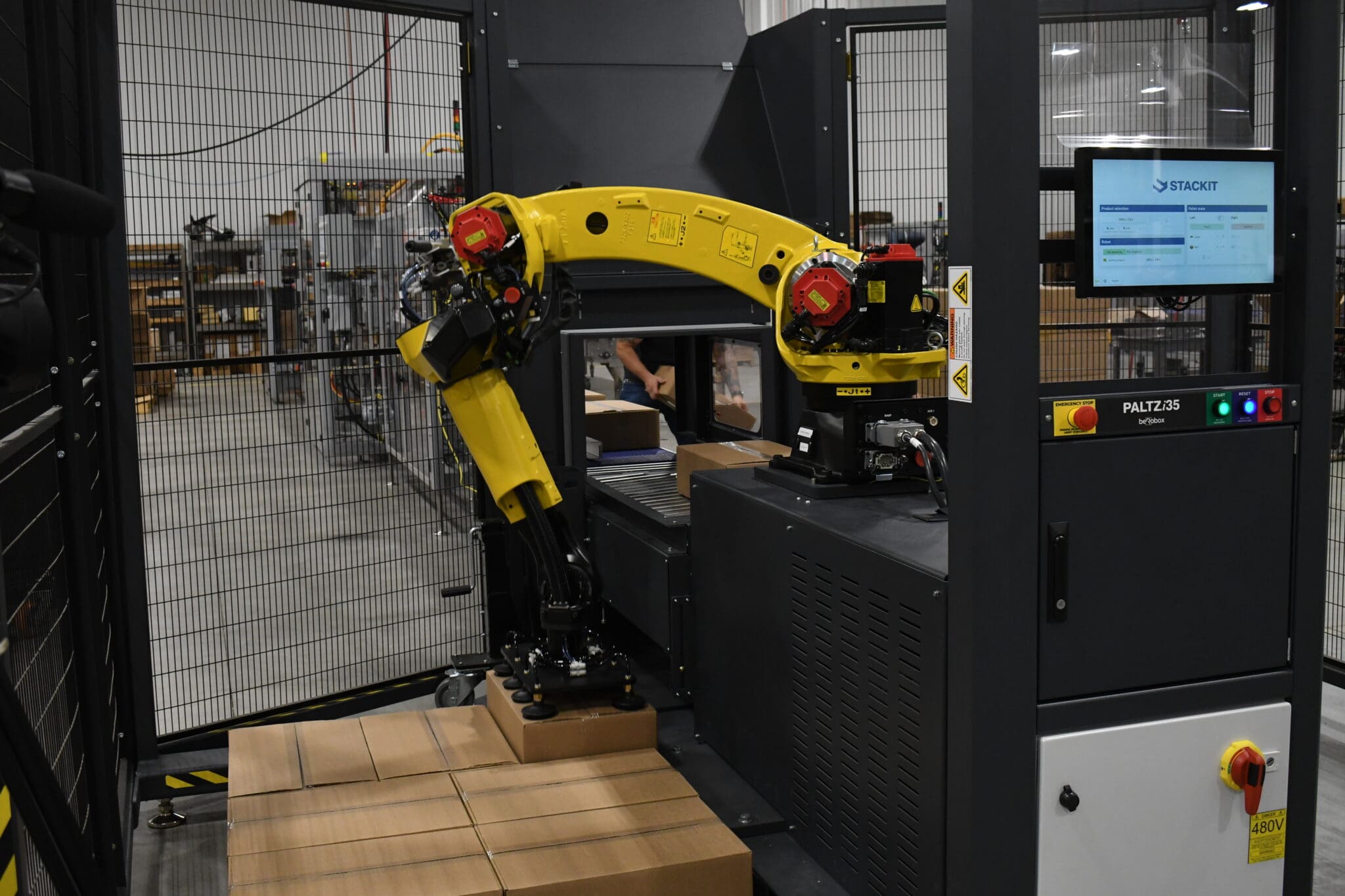
In top-load case packing, product is placed into an open case from above, through the open top flaps. A pick-and-place mechanism picks product from an infeed conveyor, arranges it into the required count and pattern, and sets it into the case.
The most common mechanisms are a gantry arm (servo-driven motion along X, Y, and Z axes) and an articulated robot arm fitted with a custom end-of-arm tool. Both offer precise, controlled placement and can be programmed with multiple pack patterns and container formats.
A simpler and lower-cost variation is the drop packer. Product is collated above an open case and drops through a packing grid directly into position. Drop packers work well on high-volume lines with consistent, rigid containers and stable pack patterns where the lower capital cost is a priority over flexibility.
Top-load case packing is the right approach for:
-
Upright, rigid containers (bottles, cans, jars, etc.) that cannot be swept or pushed in from the side without tipping
-
Products that are fragile or label-sensitive, where controlled vertical placement reduces the risk of damage or scuffing
-
Operations running multiple SKUs with different container dimensions, where recipe-driven format changes are important
Side Load and End Load
In side-load and end-load case packing, product is collated into the required pack pattern and pushed or swept horizontally into the case from the side or end of the case.
This method suits products that can tolerate lateral contact during loading, such as cartons, folded boxes, and similar flat or stable formats. It is also used where the product face must remain visible when the case is opened. At high speeds, sweep-based side-loaders can match line rates that challenge robotic top-load systems.
Side-load machines are generally easier to access for cleaning and maintenance, which is a practical advantage in food processing environments with frequent sanitation requirements.
Wraparound
Wraparound case packing takes a different approach. Instead of inserting product into a pre-erected case, the machine forms the case around the product. A flat corrugated blank is fed in, the collated product is positioned onto it, and the blank is folded around the product and glued into a tight-fitting case.
There are a number of advantages to this method. A closer-fitting case reduces corrugate waste and can improve pallet stability downstream. Flat blanks also ship more efficiently from the corrugated supplier; approximately twice as many blanks fit in a given storage footprint compared to knocked-down RSC cases. And because wraparound cases are formed around the product rather than pre-erected, there is no manufacturer’s flap seam creating a potential catch point on the line.
Wraparound adds mechanical complexity and is less practical for operations running a wide variety of SKU configurations that change frequently. It is most common in higher-volume beverage and consumer goods lines where format consistency is high.
How a Case Packer Fits Into the Line
In a fully automated end-of-line sequence, the case packer sits between the case erector and the case sealer:


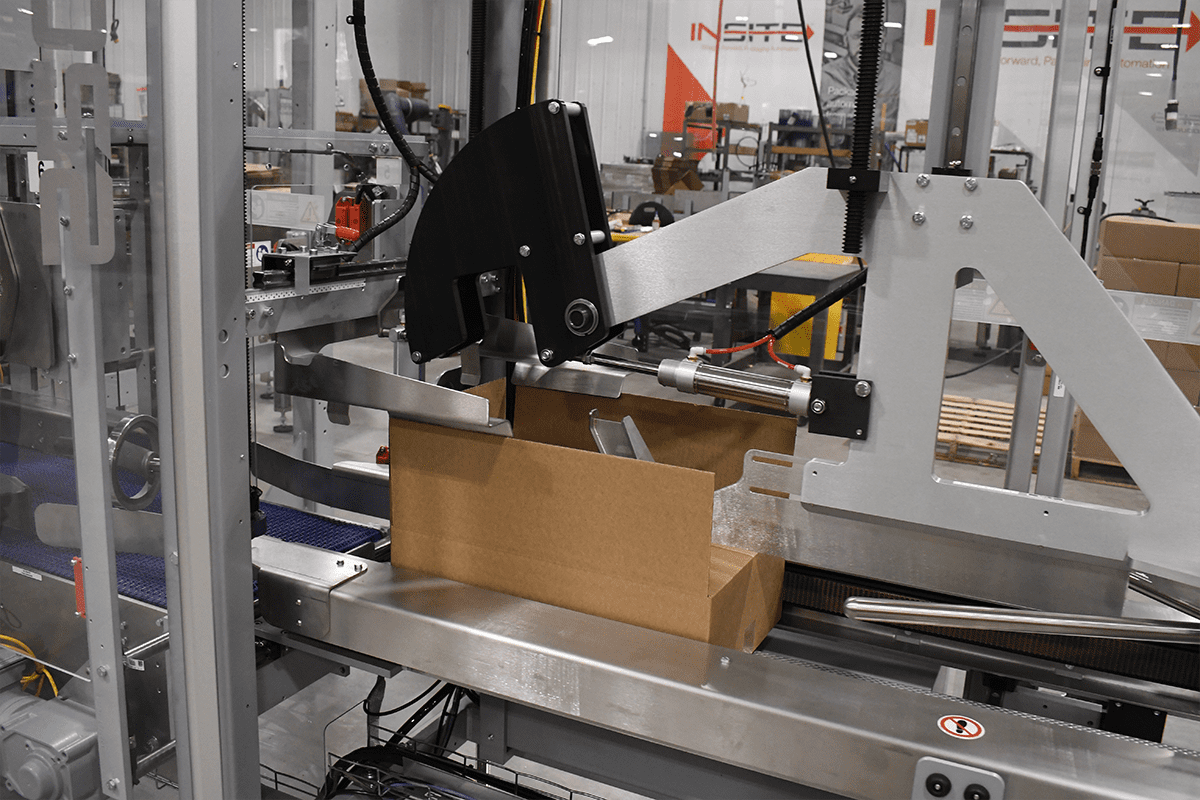
Case Erector
Case Packer
Case Sealer
Palletizer
In some configurations, erecting and loading are combined in a single machine, particularly in wraparound systems. In others, each step is a standalone piece of equipment connected by conveyor. This modular approach can give producers more flexibility by enabling them to automate one step at a time.
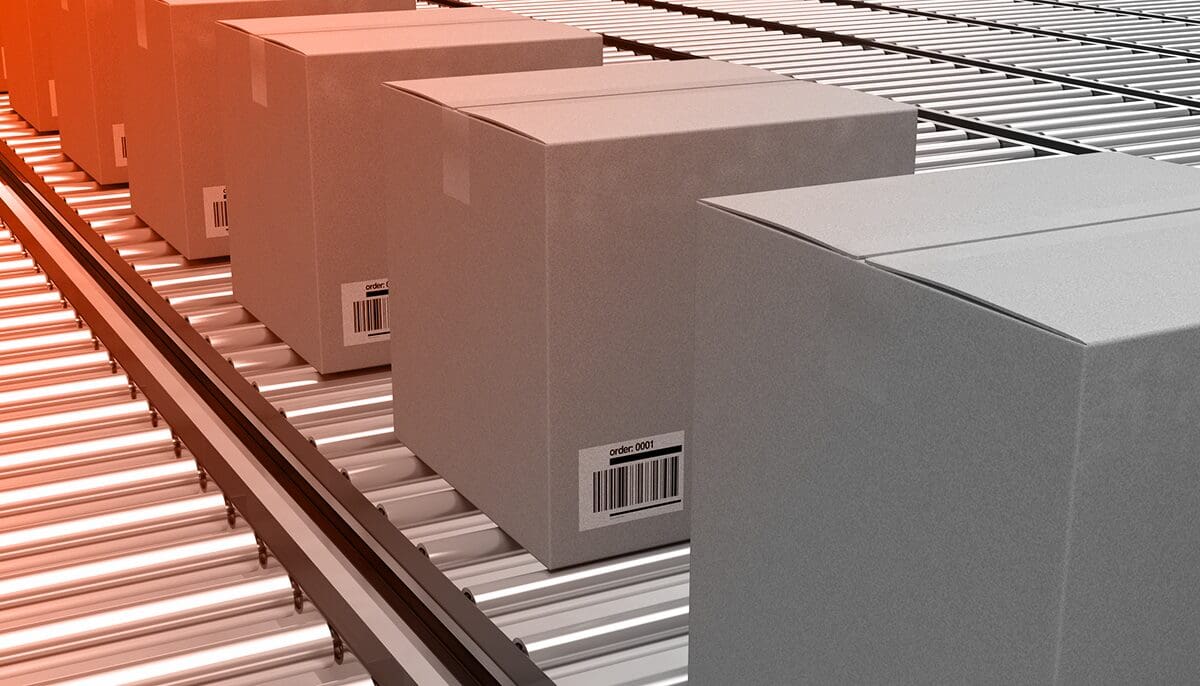
Case packers require a consistent, well-oriented product flow from upstream. Accumulation conveyors, lane dividers, and collating systems are often part of the installation to ensure the machine receives product at the right rate and in the right orientation.
Key Operational Factors
Throughput
A case packer must keep pace with the upstream line. Throughput is measured in cases per minute (CPM) and must be matched to peak line speed, not just average speed. If a packer falls behind intermittently, it will eventually clog the line upstream. Container size and weight, count per case, and pack pattern complexity all influence how fast a given machine runs on a given application.
Changeover
For operations running multiple SKUs, changeover time is a critical metric. Recipe-driven servo systems can switch between stored formats via an HMI touchscreen in minutes. Physical tooling changes (such as infeed guides and end-of-arm tooling sized for different container diameters) may add time depending on how different the formats are. The total changeover time for similar container sizes on a well-designed system is typically in the range of minutes, not hours.
Pack Patterns
A pack pattern defines how individual units are arranged inside the case, which includes the count per layer, number of layers, and orientation of each unit. Retailers and distribution centers sometimes specify required pack configurations. Recipe-driven systems store multiple patterns and recall them via HMI, without mechanical retooling.
Integration
A case packer does not operate in isolation. It needs a consistent, oriented product stream from upstream, and it may require handing off packed cases to a sealer downstream. Accumulation systems, communication protocols between machines, and conveyor height compatibility are all part of the integration scope.
Is a Case Packer Right for Your Operation?
Here are some clear signals that a case packer is worth evaluating:
-
One or more people on your line are dedicated to hand packing cases per shift, which can come with labor cost, turnover, and variability
-
Your primary line can run faster than your hand-pack station can keep up with, meaning the pack station is a throughput bottleneck
-
You are running multiple SKUs and need a system that can handle different formats without requiring individual manual stations
-
Pack quality is inconsistent, including wrong counts, off-orientation product, or handling damage at the pack station
The evaluation starts with your product specs (e.g., container type, dimensions, weight), your current and target throughput, your case style and pack configuration, and your SKU count. With those inputs in mind, evaluating the right loading method and machine configuration can become much clearer.
What’s Next
A case packer is one step in the end-of-line sequence. Understanding how case erecting and sealing work on either side of it can help give you the full picture. To learn more, check out “What Is a Case Erector and How Does It Work?” and “What Is a Case Sealer and What Are Your Options?”
If you are looking at case loading specifically for round rigid containers and want to know whether INSITE’s approach fits your line, reach out to the team.
Want to Learn More?
Talk to the INSITE team about your containers, SKU mix, and line speed. We’ll tell you honestly whether automated case loading makes sense for where you are today.