Introduction
Are your manual packaging processes slowing you down?
Are you struggling to meet production demands or reduce costs due to labor-heavy packaging workflows?
Have inconsistent packaging quality or rising labor expenses become barriers to scaling your operations?
In this article, you’ll learn what secondary packaging automation is, explore the most common automation technologies used, and understand the benefits of integrating them into your operation.
We’ll walk through core equipment types—from conveyors to sealers—and explain how they work together to reduce costs, increase efficiency, and improve safety across your packaging line.
What Is Secondary Packaging Automation?
Secondary packaging automation refers to the use of machinery to package items that are already in their primary containers.
If a machine is putting chips into a bag or soda into a bottle, that’s primary packaging. But if those bags or bottles are grouped together in a box or shrink-wrapped into a multipack, that’s secondary packaging.
Rule of Thumb:
If the process touches the actual product, it’s primary packaging. If it handles already-packaged goods, it’s secondary.
The purpose of secondary packaging is to group, protect, and transport products easily and safely. It often involves placing items in corrugated cases, trays, cartons, or shrink wrap. These outer containers help prevent damage during transit and streamline handling in warehouses and stores.
Secondary packaging also offers marketing advantages by providing space for branding, product details, and regulatory information.
Common Types of Secondary Packaging Automation Equipment
Below is an overview of the most widely used machines and systems in automated secondary packaging. These technologies often work together to create efficient, consistent, and scalable packaging lines.
Product Conveyors
Moving products through the packaging line
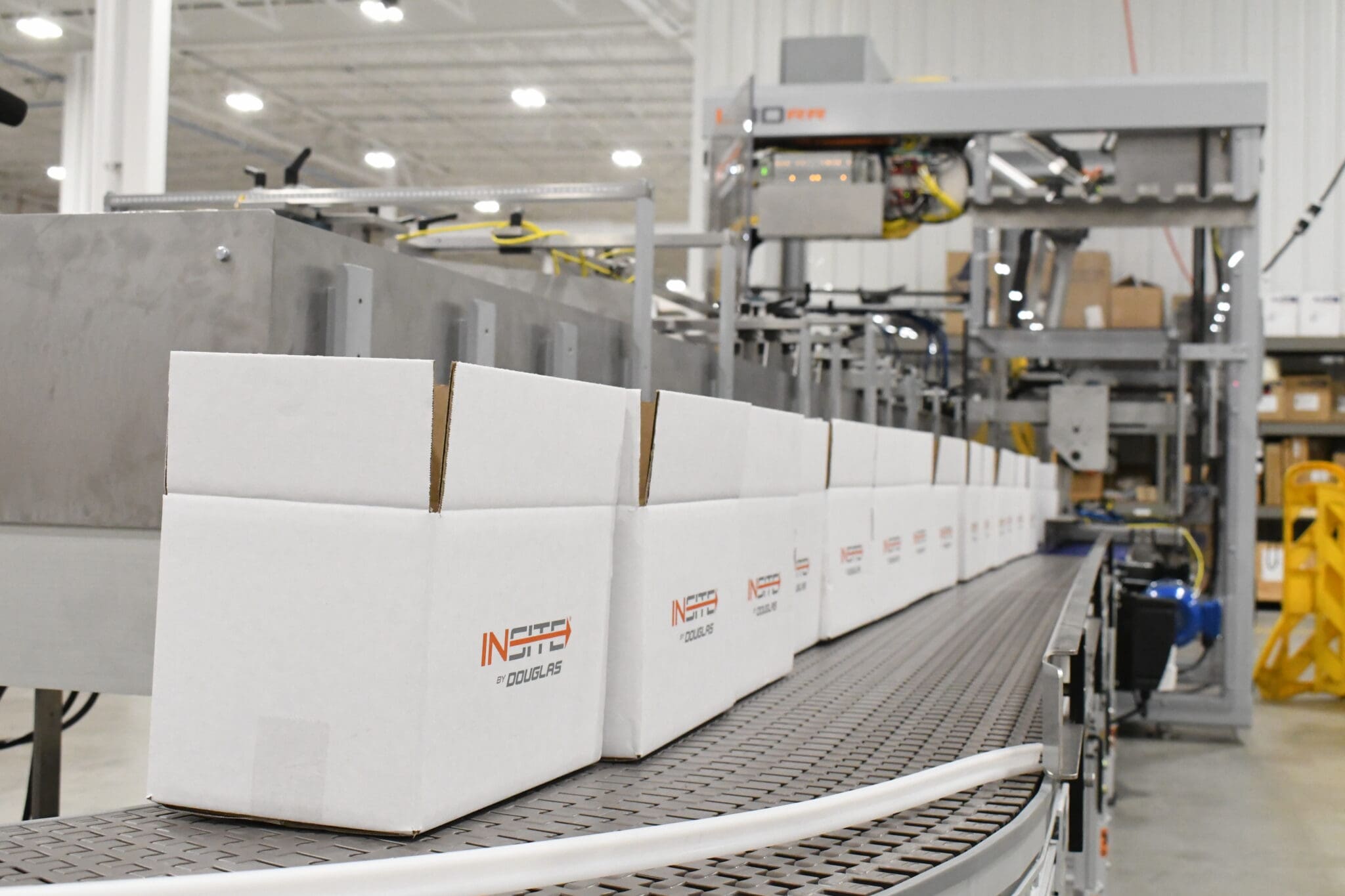
Conveyors are the backbone of any automated packaging system.
They move products efficiently from one station to the next, whether that’s labeling, grouping, or case packing. In secondary packaging, conveyors help guide already-packaged items through orienting, grouping, loading, and sealing processes.
Product Labelers
Automating branding and compliance
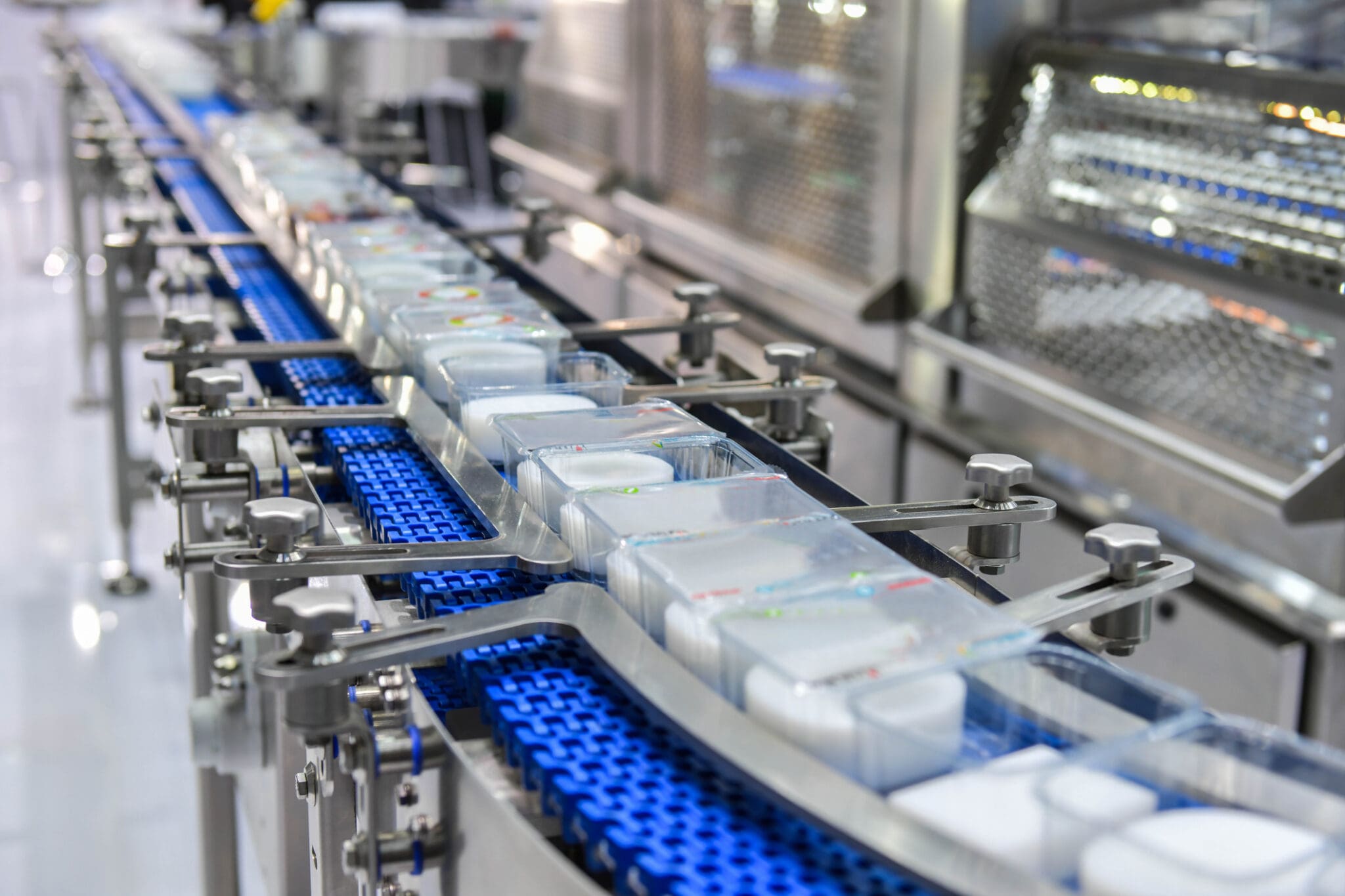
Labelers apply product information, branding, and barcodes at scale and with precision.
These machines place labels on products or packages using rollers, belts, or direct application. They’re essential for displaying required information like expiration dates or batch codes.
Labelers reduce human error and ensure regulatory compliance while maintaining high speeds.
Product Collators
Grouping items into packs
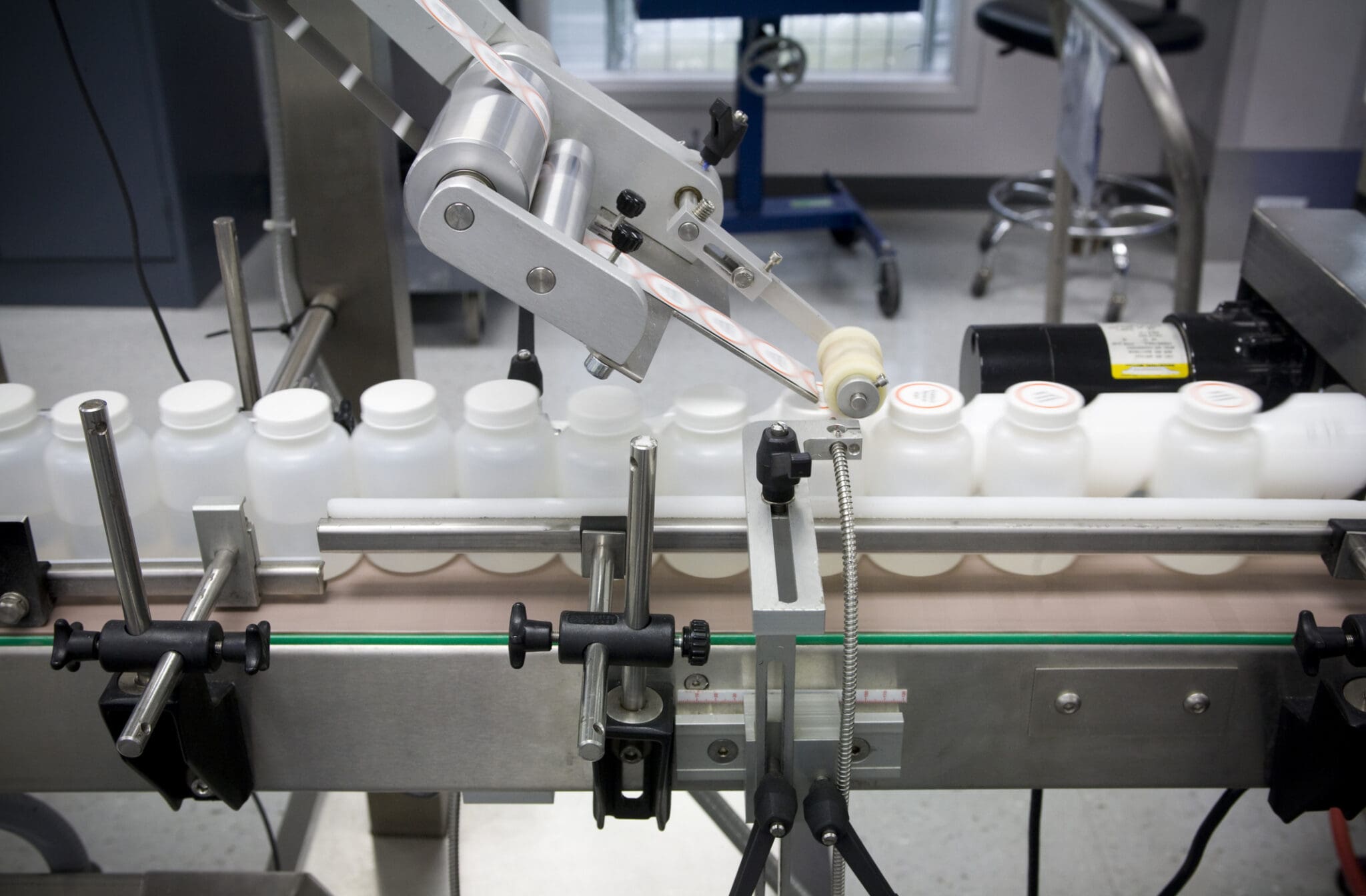
Collators gather products into organized configurations before they are boxed or wrapped.
They use conveyors or mechanical arms to sort items into predetermined arrangements, such as 4-packs or 6-packs. Collators help ensure packaging consistency and minimize miscounts or misalignments.
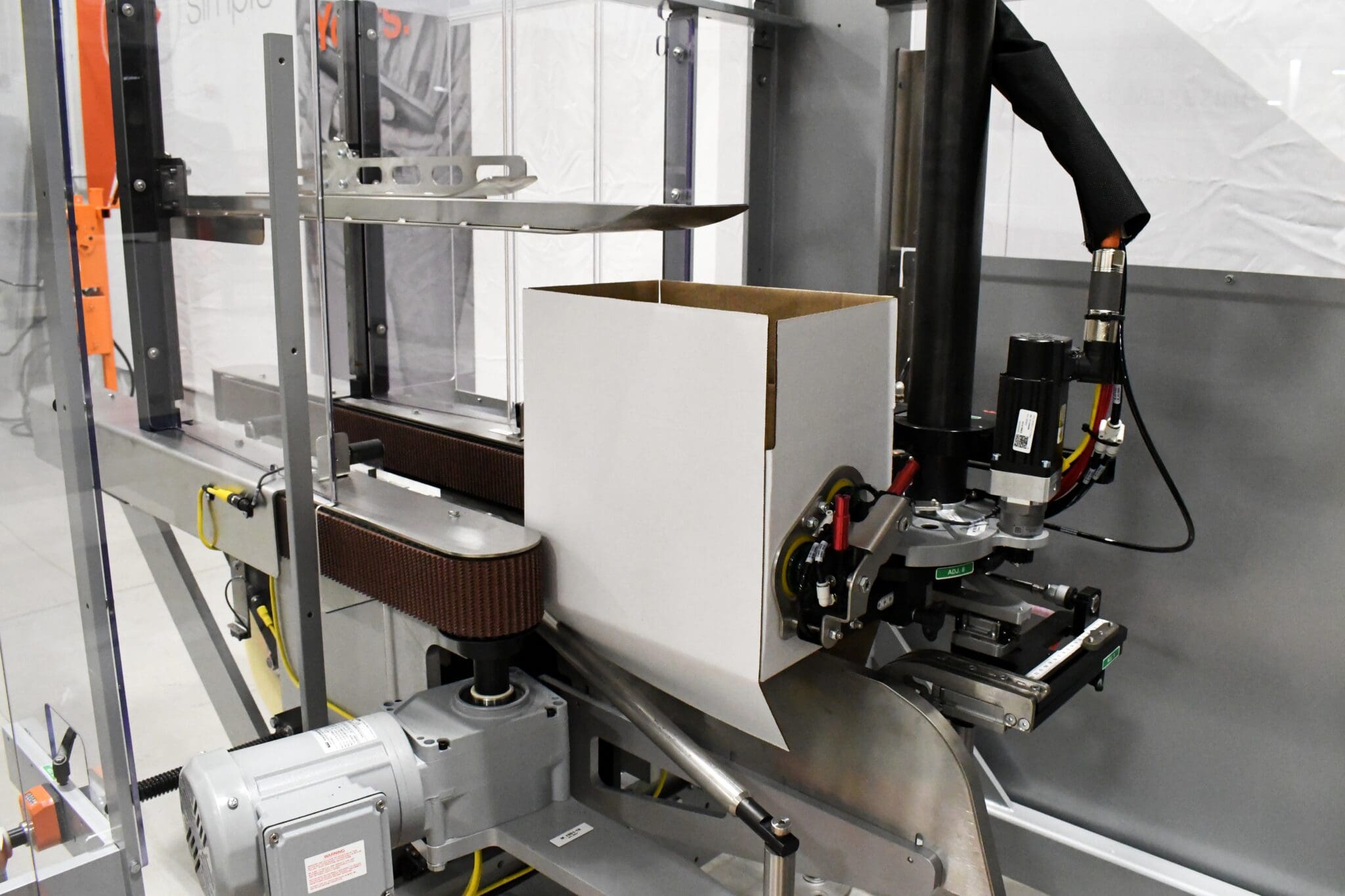
Box Erectors
Creating structure for your product
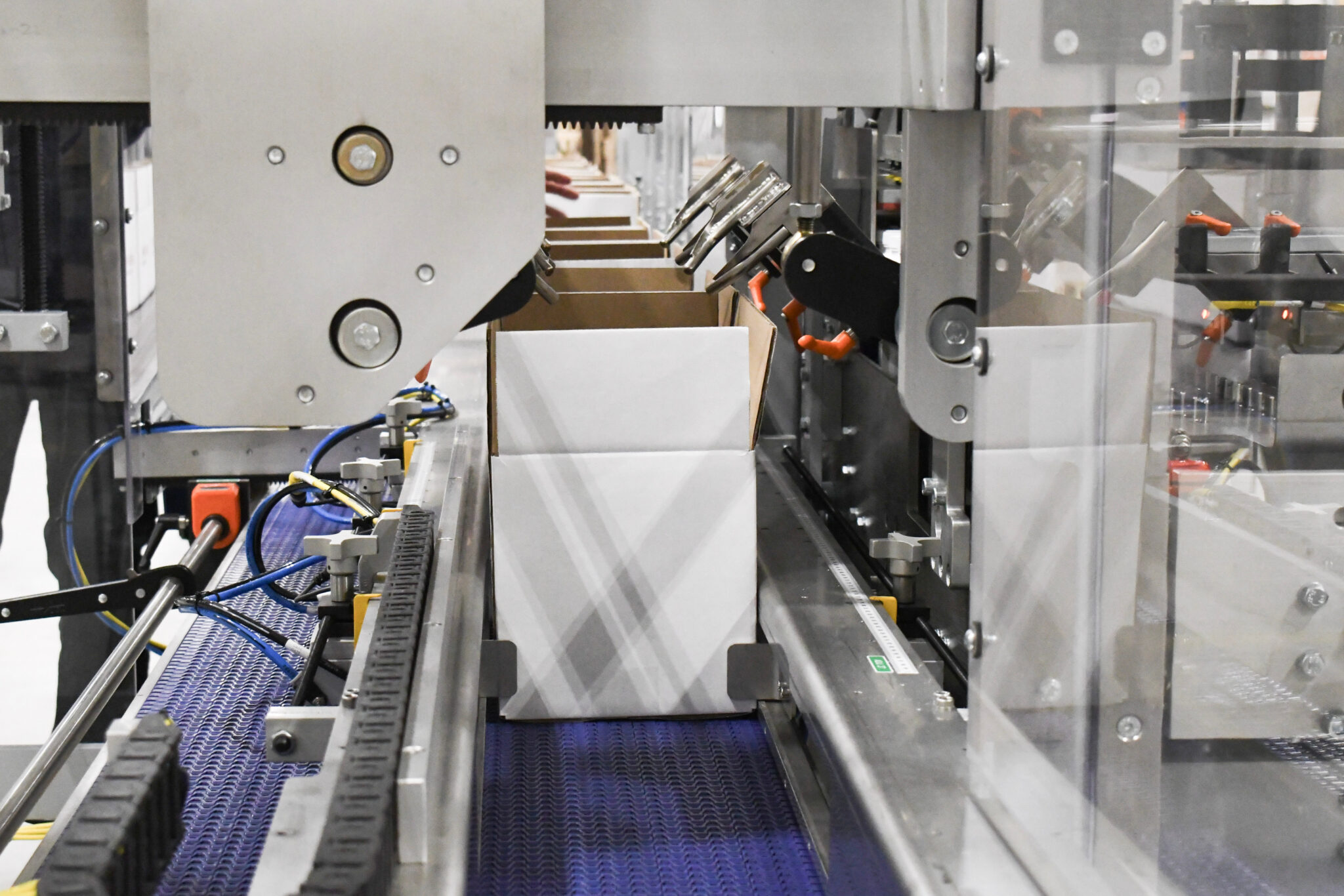
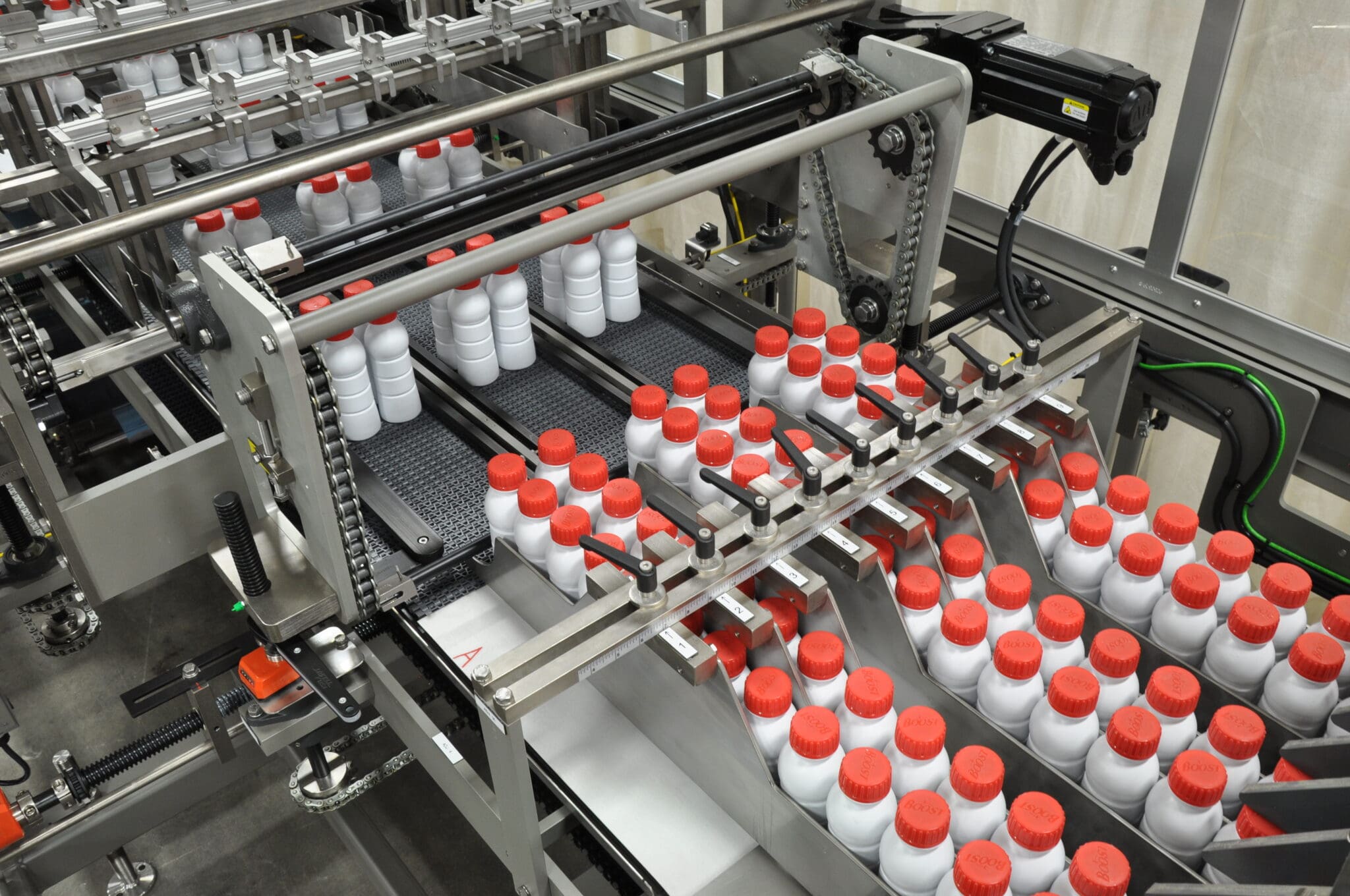
Erectors form flat cardboard blanks into fully shaped boxes ready for loading.
These machines fold and seal box bottoms (usually tape or glue), allowing products to be dropped in automatically. By removing the manual labor from box assembly, businesses can reduce downtime and increase packaging line speed.
Box Loaders
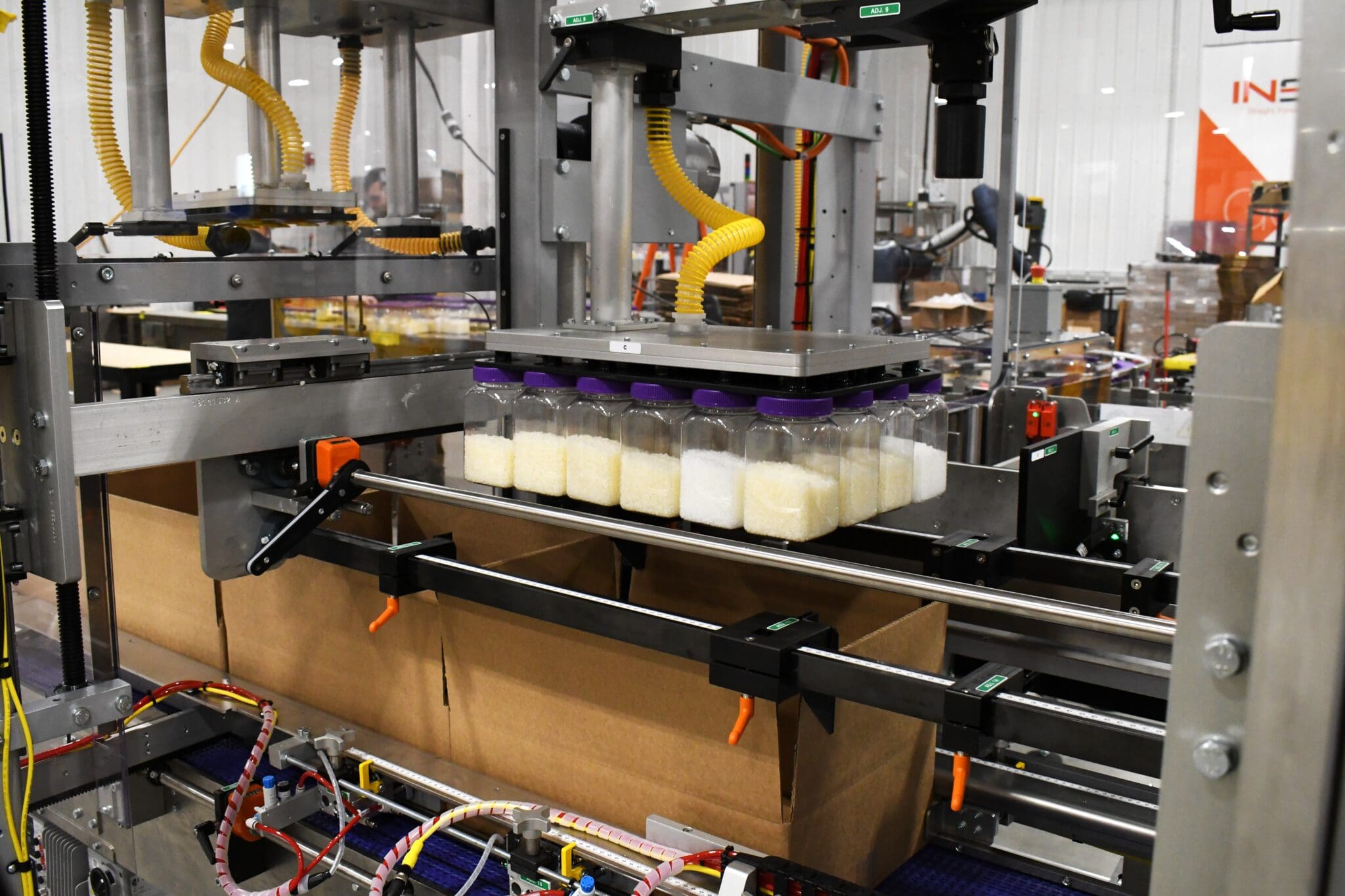
Inserting products into cartons or cases
Loaders automate the placement of grouped items into boxes, trays, or wrap-around cases.
They ensure products are positioned securely for sealing and transport. Loaders are highly customizable to accommodate various product shapes—bottles, cans, bags, and more.
Box Sealers
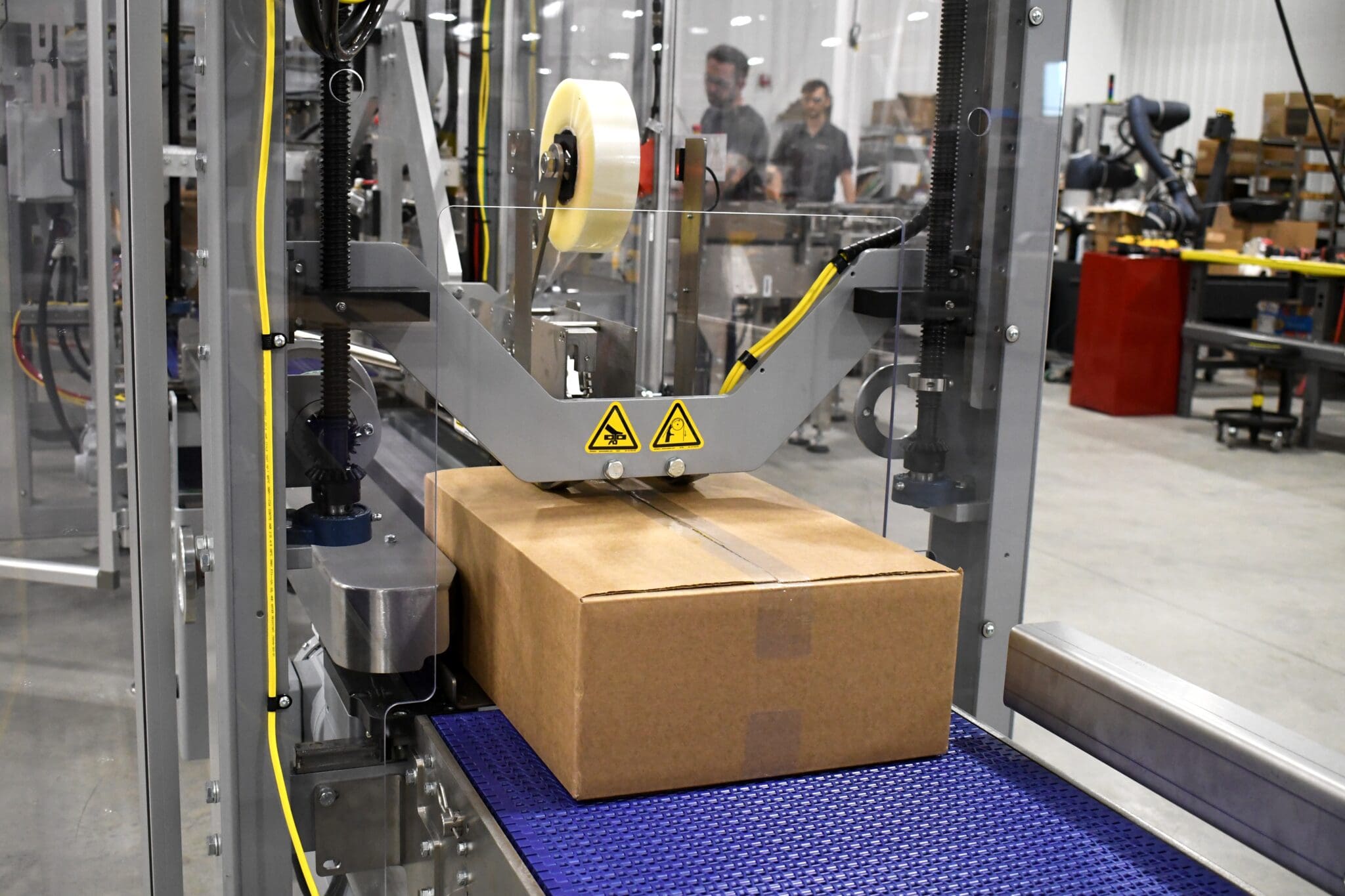
Finalizing the packaging for shipment
Sealers close and secure boxes using tape or glue.
These machines adjust to different box sizes automatically and provide consistent, durable seals—critical for preventing damage in transit.
Box sealers help ensure your products arrive in full, intact and professionally presented.
Benefits of Implementing Secondary Packaging Automation
No matter what industry you’re in—be it food, beverage, or consumer goods—packaging automation offers measurable advantages.
Increased Efficiency
Automation speeds up every step of the packaging process, helping you produce more with fewer errors and less downtime.
Improved Quality
Machines provide precise, repeatable processes, reducing variability and improving consistency across every package.
Lower Labor Costs
By automating repetitive manual tasks, you free up team members for higher-value work and reduce overall labor expenses.
Scalability
Systems can be scaled up or down easily to match changes in demand, helping your business stay agile.
Safer Work Environment
Automation reduces manual lifting and repetitive motions, cutting down on workplace injuries and related costs.
Enhanced Product Protection
With consistent sealing and protective packaging, automated systems reduce product damage and waste during shipping and storage.
Summary
Automate Your Packaging Line And Watch Your Business Thrive
Now that you understand what secondary packaging automation is and what technologies are involved, you’re better equipped to evaluate how it fits into your operations.
If you’re currently relying on manual processes, you’re likely feeling the strain—whether in labor costs, inconsistent quality, or limited scalability.
Explore which automation solutions best fit your production line and packaging formats. At INSITE, we help manufacturers transition to automated packaging systems that drive efficiency and profitability. Reach out to talk to our automation specialists about your goals and challenges.
Explore INSITE Solutions
Automation doesn’t have to be all-or-nothing. Learn more about INSITE’s modular approach.