Introduction
Once a case has been filled with product, it needs to be closed and sealed before it can move to palletizing or shipping. That’s the job of a case sealer. The concept is simple, but the right machine depends on a few choices that affect speed, consistency and maintenance.
What Is a Case Sealer?
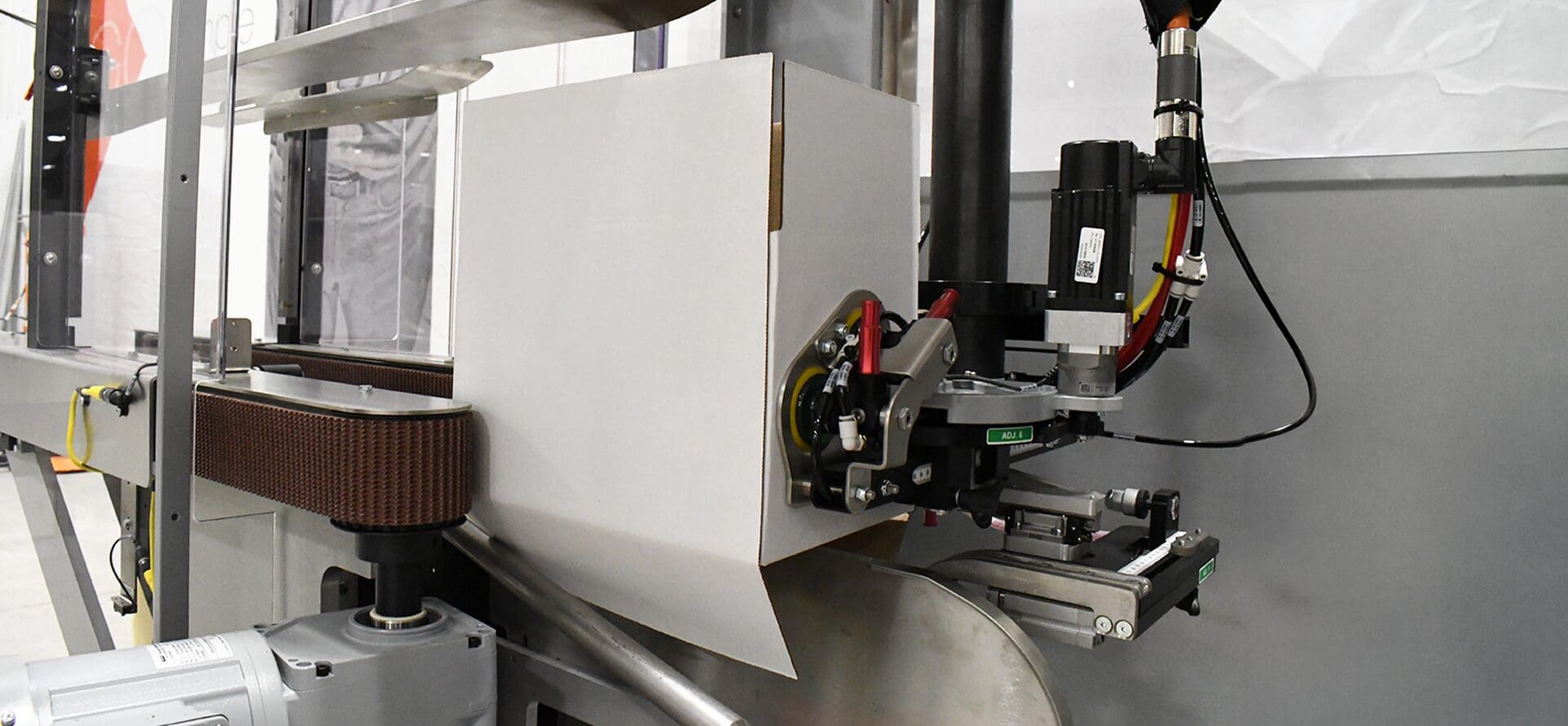
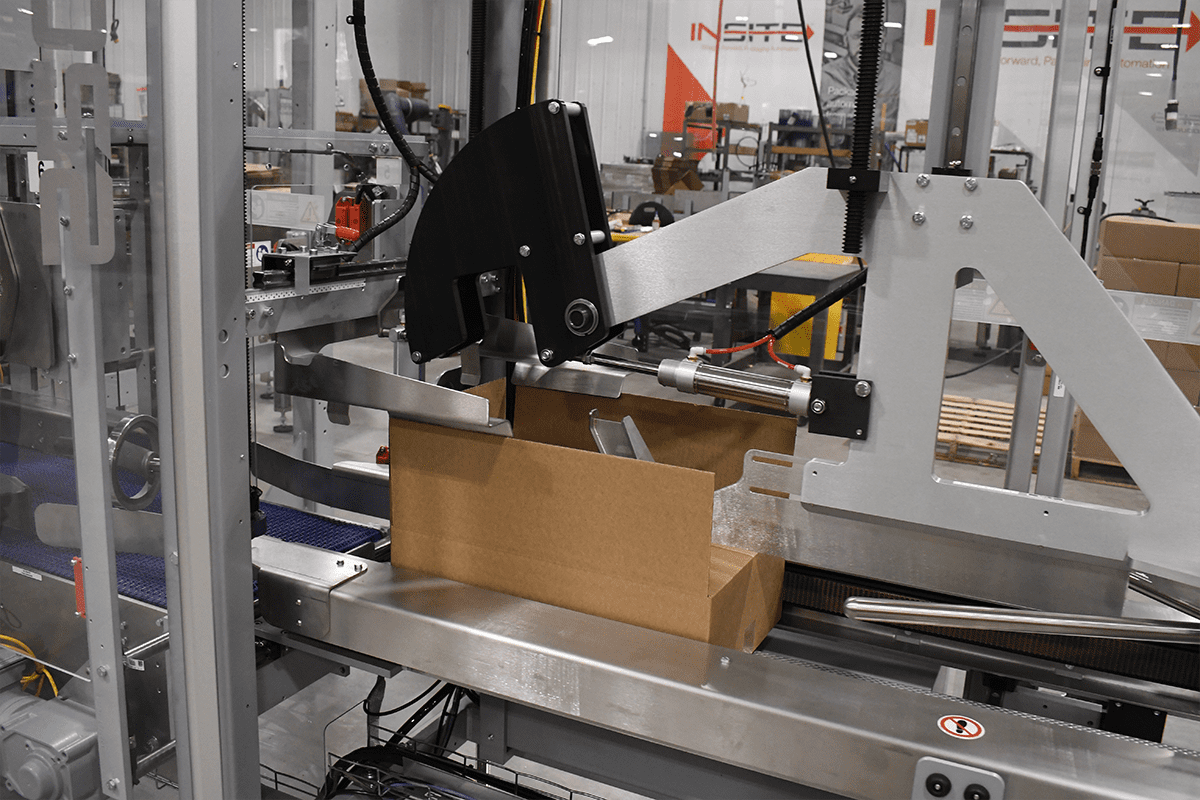
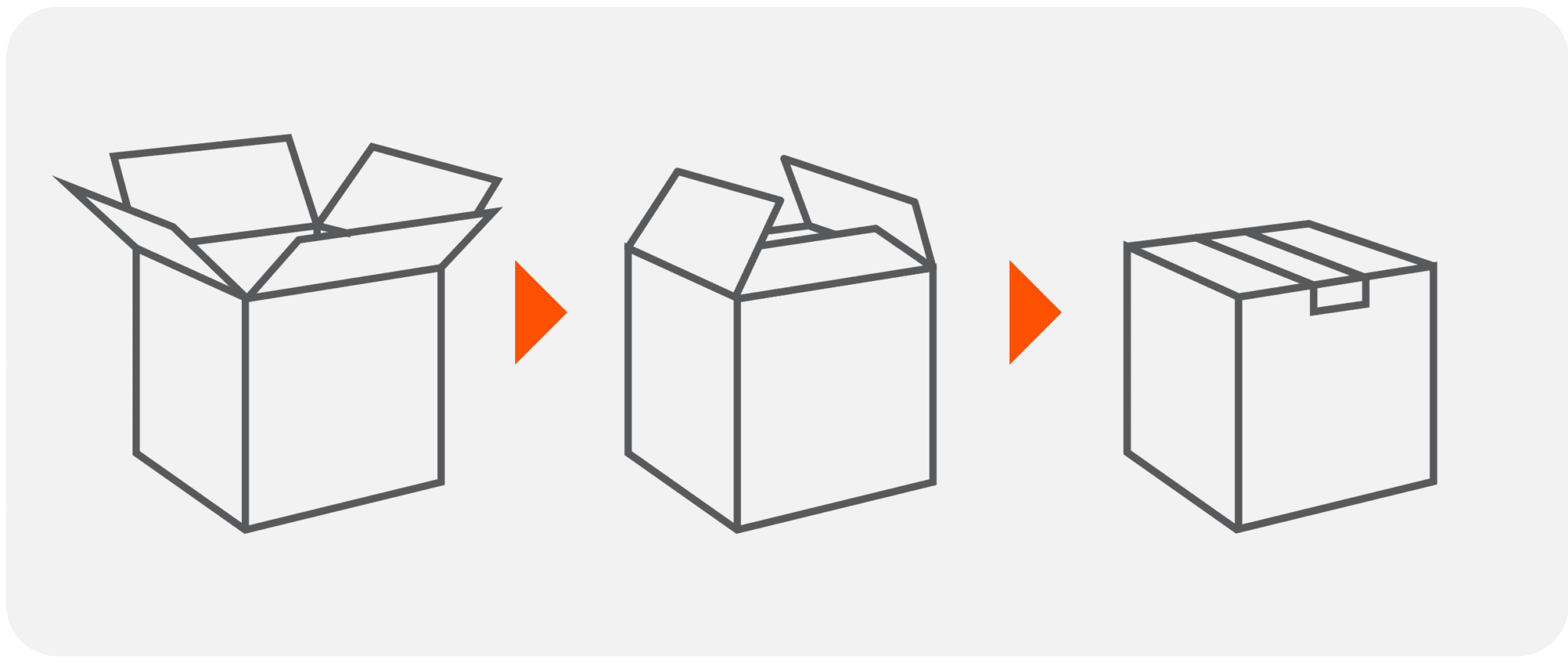
A case sealer closes the top flaps of a filled corrugated case and applies a seal to keep it shut. Depending on the application, that seal is usually pressure-sensitive tape or hot melt adhesive. In many lines, it’s one of the last steps before palletizing or shipment.
Tape Sealing vs. Hot Melt Sealing
This is usually the first decision when selecting a case sealer.
Tape sealing applies pressure-sensitive tape over the case seam. It is common because it is familiar, relatively simple, and generally easier to maintain. It can also make cases easier to reopen for inspection or returns.
Hot melt sealing applies heated adhesive to the flaps as the case is closed. It can provide a strong bond and is often chosen for higher-speed lines or applications where a taped seam is less desirable. The tradeoff is that the adhesive system adds maintenance and temperature control requirements.
Neither option is automatically better. The right choice depends on line speed, case material, operating conditions and how the case will be handled downstream. Packaging suppliers commonly position closure method as an application-specific decision, and manufacturers offer case sealers for both uniform and random production runs.
Uniform vs. Random Case Sealers
Case sealers are also grouped by how they handle box size changes.
A uniform case sealer is set for one case size. If case dimensions change, the machine must be adjusted manually.
A random case sealer adjusts automatically to incoming cases as they vary in size. These are better suited for lines that run multiple case sizes on a regular basis. Manufacturers describe random case sealers as designed for variable case dimensions, while uniform models are intended for fixed formats.
Why This Choice Matters
Case sealers are often treated like a simple end-of-line add-on. At low volumes, that may be fine. But on faster lines, the wrong sealer can create a bottleneck. Your case sealer needs to match the output of the equipment before and after it so the line can run consistently.
What to Keep in Mind
When comparing case sealers, start with two questions: What sealing method do you need and will you run one box size or many? Those answers will narrow your options quickly and help you choose a machine that fits the rest of your line.
Need help evaluating case sealers?
At INSITE, we specialize in simple, efficient, reliable case sealing. Reach out with questions.