Introduction
Primary, secondary, and tertiary are terms that define the three layers of packaging that a consumer product passes through, from the product itself to the shipping container that arrives at a distribution center. Understanding the distinctions clarify how end-of-line automation fits into the broader picture.
Primary Packaging
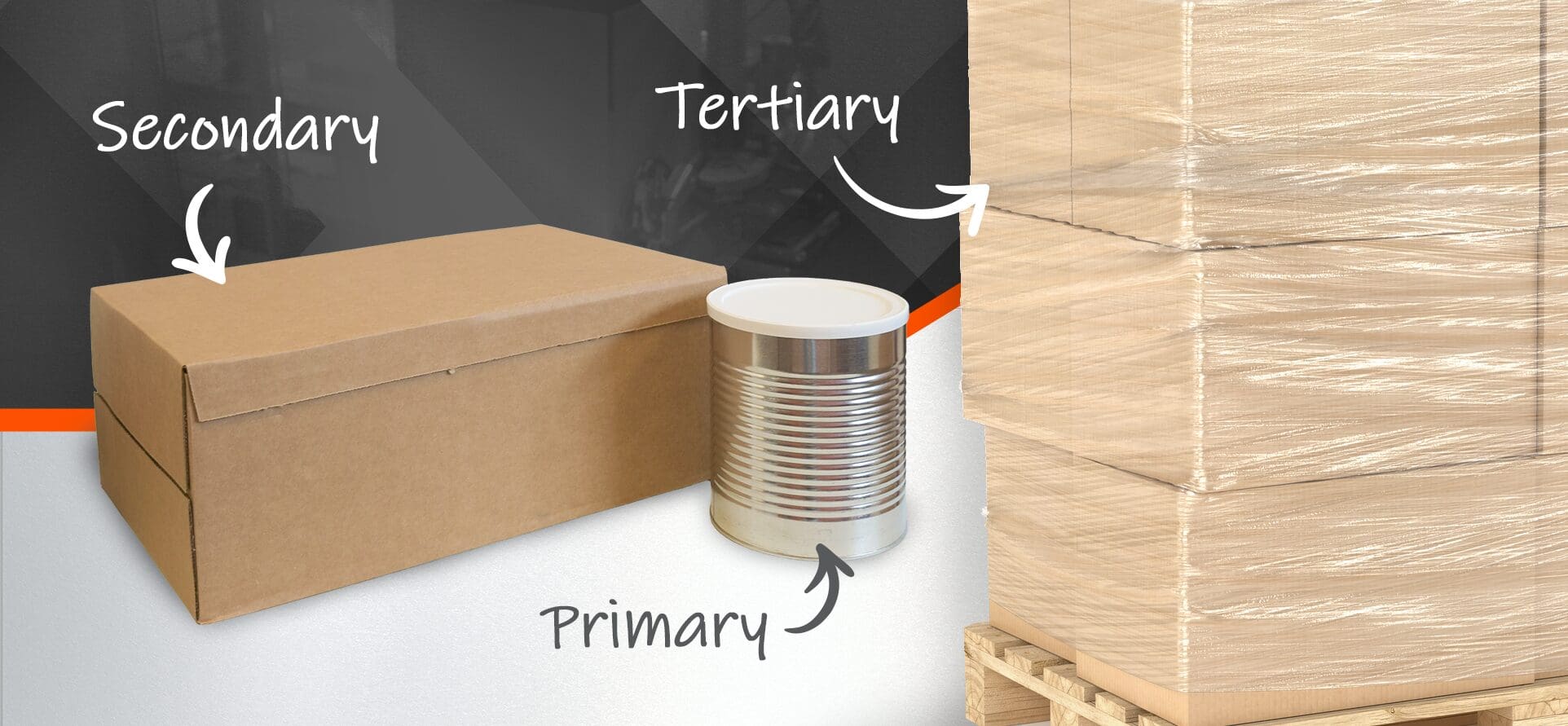
Primary packaging is the layer in direct contact with the product. It’s what a consumer sees and touches on the shelf.
Examples: a beverage bottle, a yogurt cup, a flexible pouch, a blister pack, a soup can.
Primary packaging is typically filled and sealed by filling, capping or sealing equipment before it ever reaches an end-of-line system.
Secondary Packaging
Secondary packaging groups the primary packages together for handling, display or distribution. It’s the layer that a retailer stock person handles, not the end consumer (although in retail-ready formats, it may also serve a display function).
Examples: a corrugated case of 24 soup cans, a tray of 12 beverage bottles, a folding carton containing 6 individual product pouches.
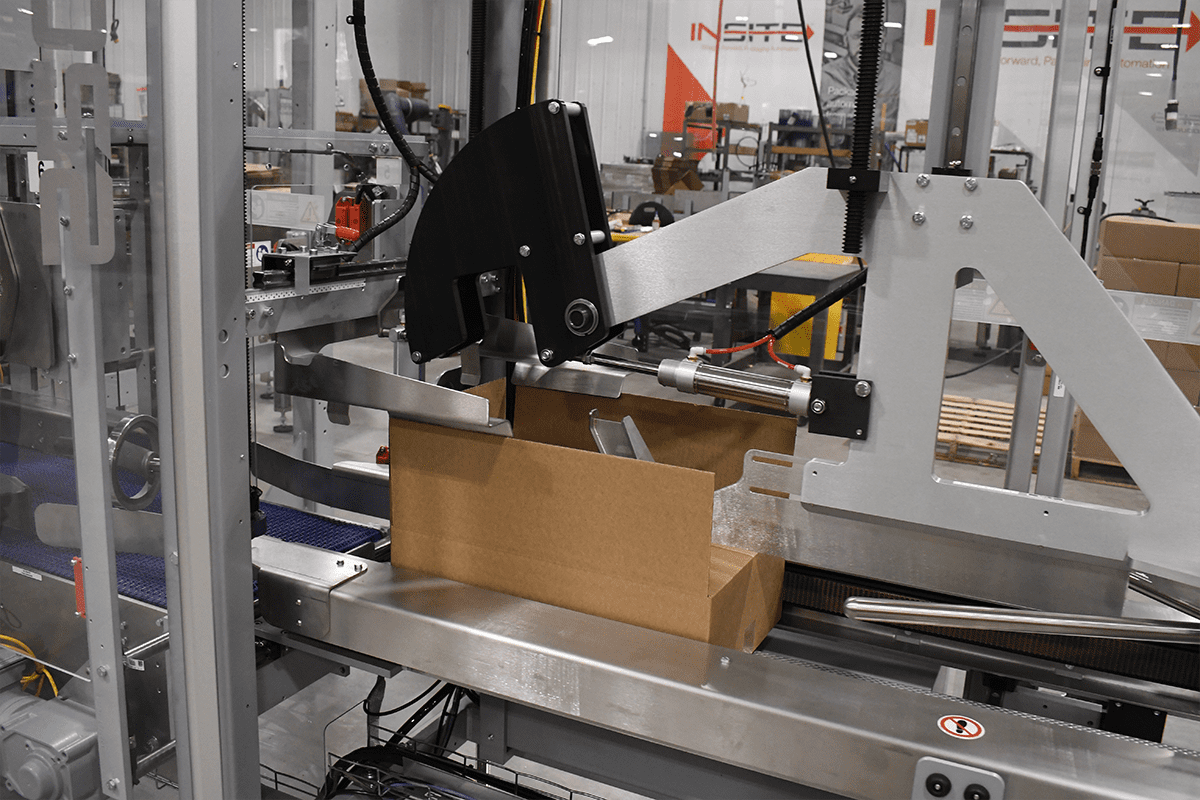
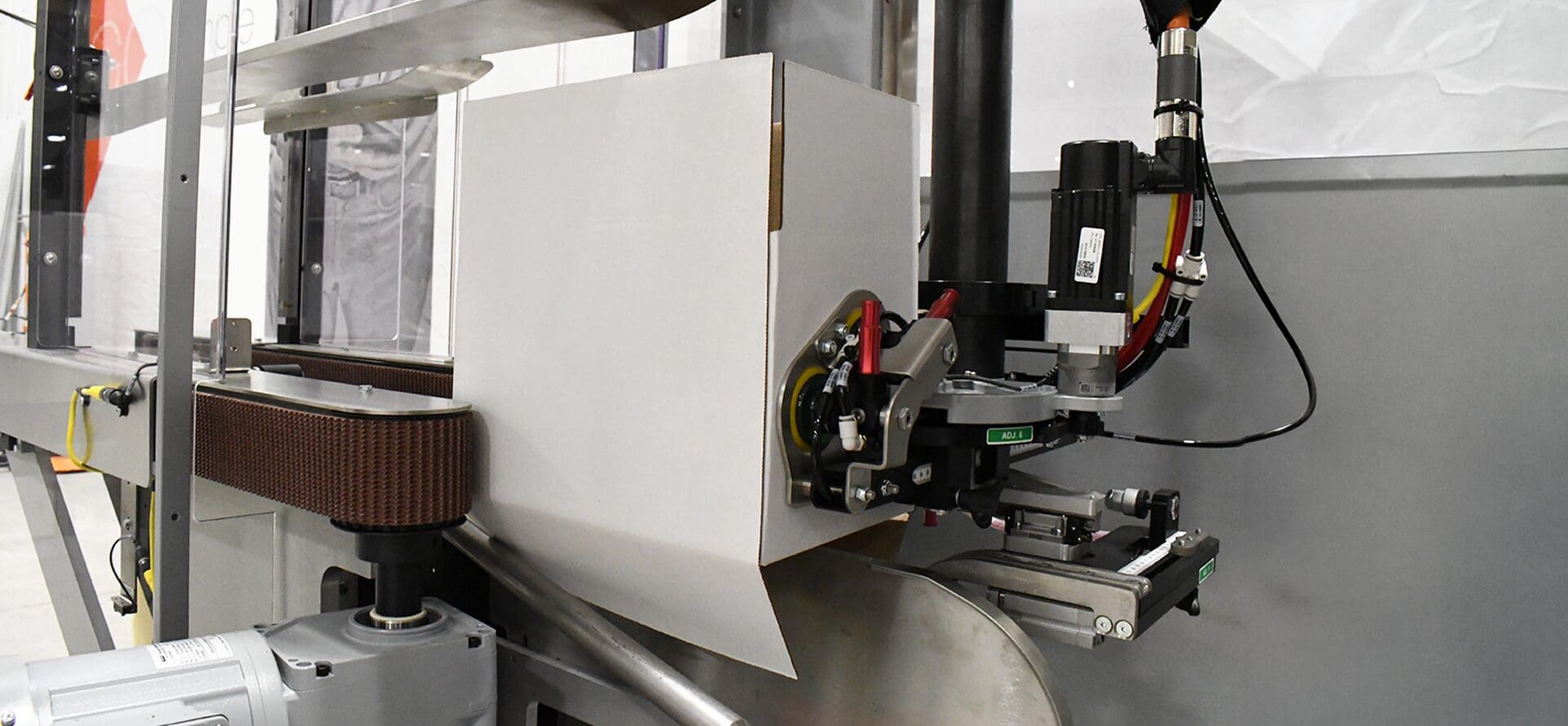
This is where case erectors, case packers, case loaders and case sealers operate. Secondary packaging automation is the core of what INSITE and Douglas are built to handle.
Tertiary Packaging
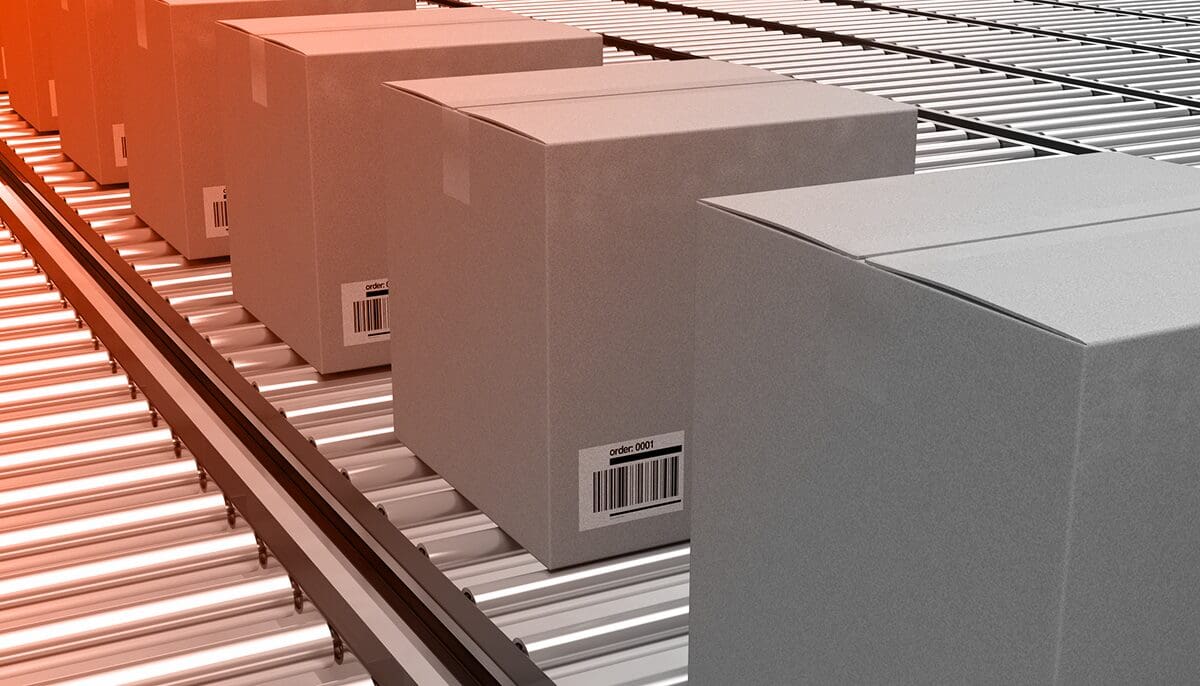
Tertiary packaging consolidates secondary packages for bulk handling, warehousing and transportation. It’s designed to be functional, not consumer-facing.
Examples: a stretch-wrapped pallet of 48 cases, a pallet with a slip sheet, a unit load secured with corner boards and stretch film.
Palletizers and stretch wrappers operate at the tertiary level.
Pro Tip
A simple way to remember it:
Primary = what the consumer buys
Secondary = what the store stocks
Tertiary = what the truck carries
Why the Distinction Matters Operationally
Automation decisions, material costs, regulatory requirements and performance metrics are different at each packaging level. When evaluating end-of-line equipment, make sure everyone in the conversation (engineering, procurement and operations) is using these terms consistently. A “packaging line” could mean very different things depending on which level someone is referring to.
Want to Learn More?
INSITE’s team of specialists has over 60 years of industry knowledge and experience. Reach out today.